Give once-worn clothes their own place
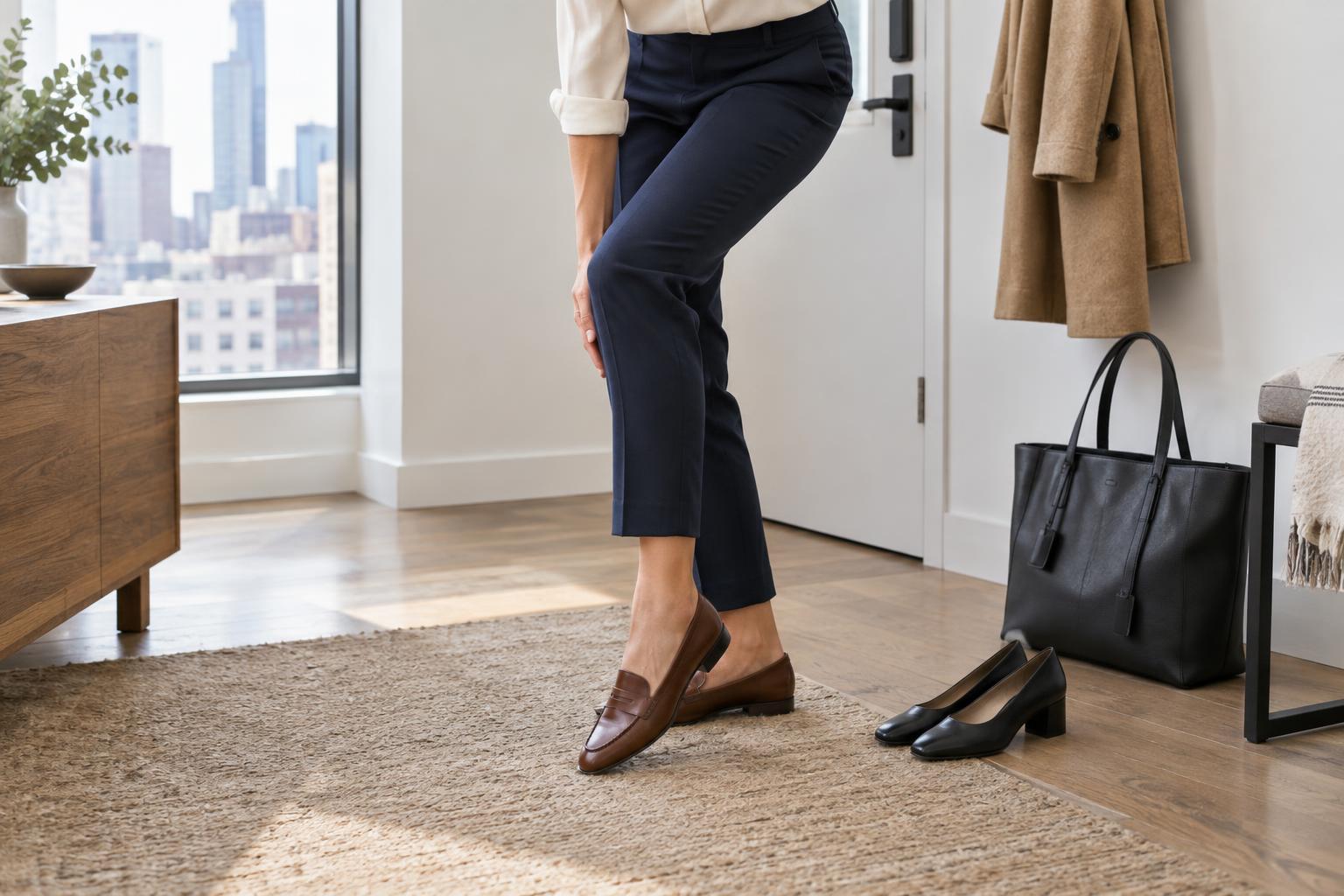
A shirt worn for a short commute or a pair of trousers worn to the office may not be ready for the wash basket. Putting them straight back among freshly laundered clothes can be confusing, though, and leaving them on a chair makes the room feel cluttered. The solution is a small, clearly defined rewear zone: a place for clothes that have been worn but are still suitable to put on again.
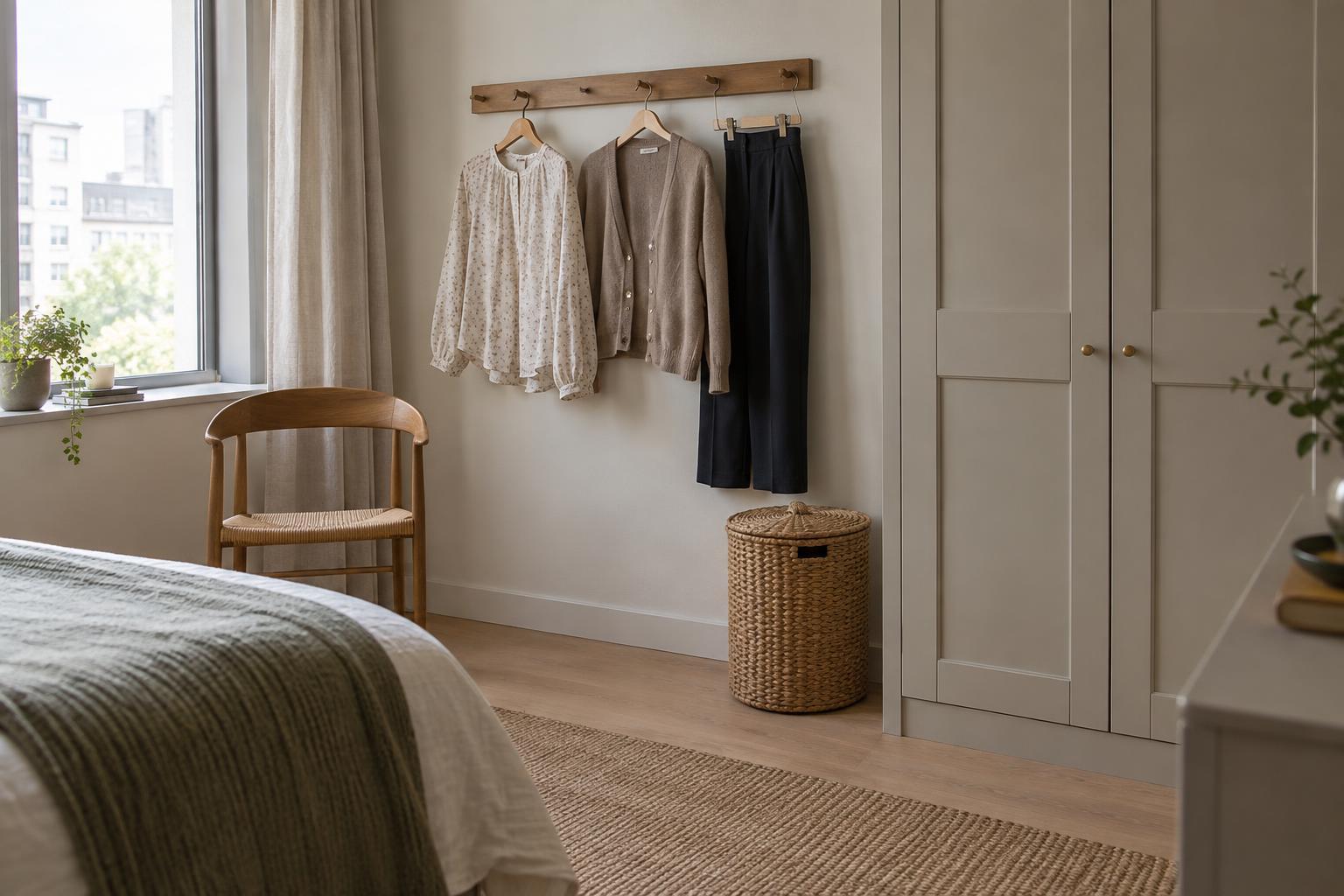
Choose a spot you can see when getting dressed. A few hooks behind a door, one end of a clothing rail or a dedicated section of an open shelf can work. The best choice is not necessarily the largest; it is the one you will actually use. Give the zone a limit, such as three hooks or a short length of rail, so it stays a temporary stop rather than a second wardrobe.
Let clothes air out before storing them
Before putting an item in the rewear zone, check whether it is dry, comfortable to wear and free from noticeable marks or odours. Clothes that feel damp after a warm journey or a long walk need time to dry. Hang them separately where air can circulate rather than folding them into a pile or shutting them in a drawer. If an item still smells or feels unclean after airing, put it in the laundry.
Use storage that suits the garment. A hanger helps a woven shirt, dress or jacket keep its shape. Hooks are convenient for sturdy layers, but a narrow hook may leave marks on a delicate piece. Knitwear is often better laid flat once it has aired, since hanging can stretch it. A shallow, open basket can hold folded jeans or jumpers, provided they are fully dry and the basket does not become overfilled.
Keep the categories easy to tell apart
A rewear zone works best when it is separate from both clean clothes and laundry. In a compact bedroom, that might mean clean pieces inside the wardrobe, once-worn pieces on a rail beside it and laundry in a closed basket. If you must use the wardrobe, reserve one distinct section for rewear items rather than mixing them between freshly washed garments. A divider or a few matching hangers can make that boundary easier to notice.
Not every item belongs in the middle category. Underwear and socks generally go into the wash after wear. Exercise clothes, visibly soiled garments and anything that holds a noticeable smell are also better treated as laundry. For other pieces, how long you wore them, what you did and whether a layer sat between the garment and your skin can help you decide. The goal is not a rigid rule for every fabric or day; it is an honest check before you store something to wear again.
Make rewearing part of getting dressed
A once-worn item is easier to use when you can see it. Before reaching for a fresh top or another pair of trousers, look at the rewear zone and consider whether something there fits the day ahead. A simple workday shirt might pair with different trousers; weekend jeans might be ready for another relaxed outing. This small pause can prevent wearable clothes from being forgotten under newer choices.
Avoid treating the zone as a place to postpone decisions indefinitely. If an item has been hanging there through several outfit changes, decide whether you plan to wear it soon, need to wash it or should return it to its usual place if it was only tried on. When you do wear it again, reassess it afterward rather than automatically putting it back. That keeps the system responsive to the garment’s condition instead of relying on a fixed number of wears.
Reset the zone before it becomes another pile
Take a minute during a regular tidy-up to clear the rewear area. Check for forgotten stains, move anything that now needs washing to the laundry basket and hang up pieces that have slipped onto the floor or a chair. If the zone is constantly full, it may be too generous, or you may be changing outfits without revisiting what you have already worn.
The right setup can be modest: one hook for tomorrow’s layer, a few hangers for office clothes and a spot for an aired-out knit. What matters is having a repeatable path for each garment. Clean clothes have a home, laundry has a basket, and the pieces in between have a temporary place that helps you wear them again without turning your room into a sorting project.