Choosing a size before checking what you carry
A handbag can look perfectly proportioned in a shop and still fail on Monday morning. One common mistake is judging capacity by its outside dimensions. A structured shape, thick lining or narrow opening can leave less usable space than expected. At the other extreme, an oversized tote may invite you to carry things you rarely need and make essentials harder to find.
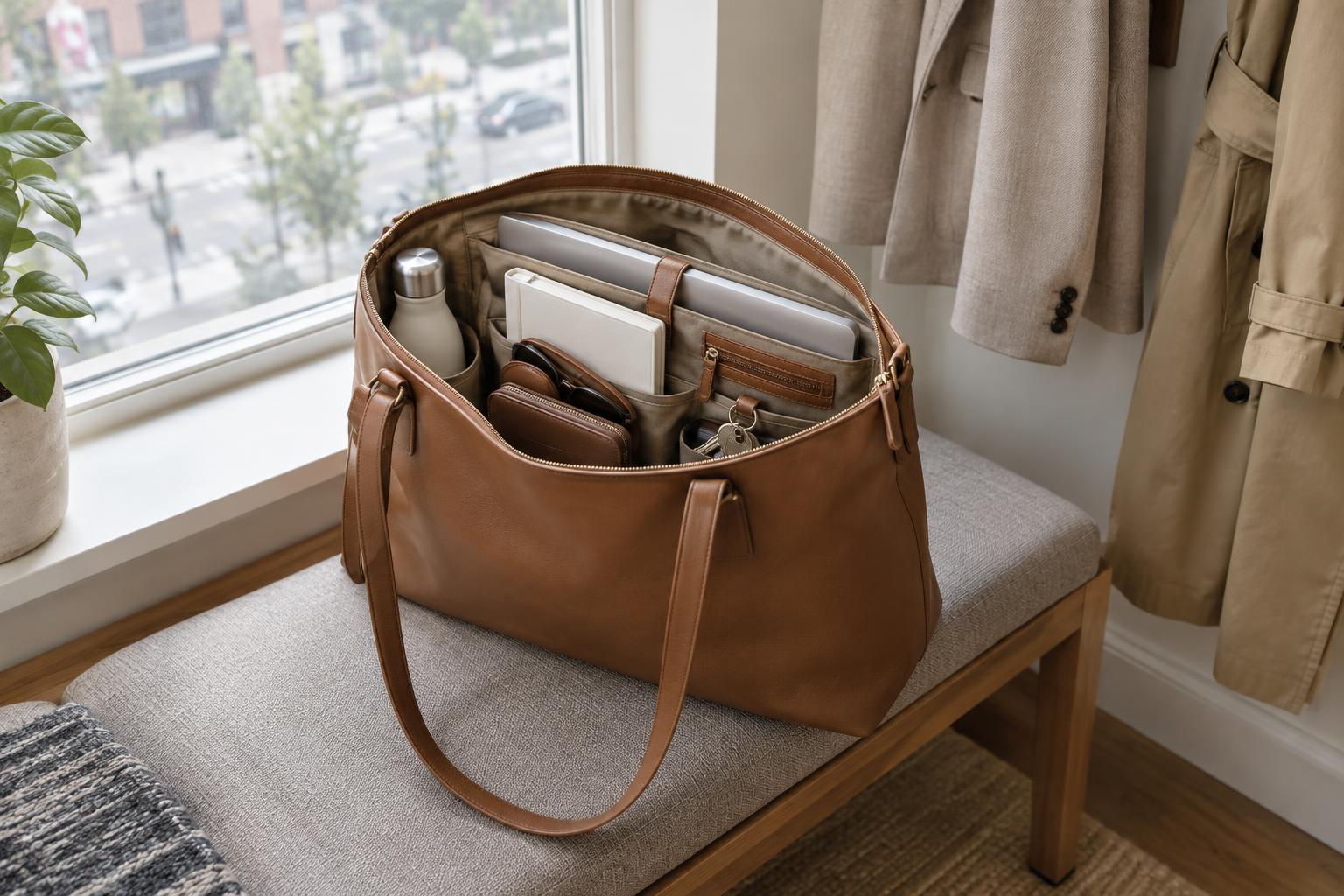
Before shopping, gather the items you take to work on an ordinary day: perhaps a wallet, keys, phone, water bottle, lunch, notebook or small umbrella. Add anything you regularly carry between meetings or after work. Check the measurements of larger items, especially a laptop or tablet, against the bag’s internal dimensions rather than its width alone. Allow enough room to take things out without unpacking everything, but avoid buying extra capacity with no clear purpose.
Forgetting about weight and straps
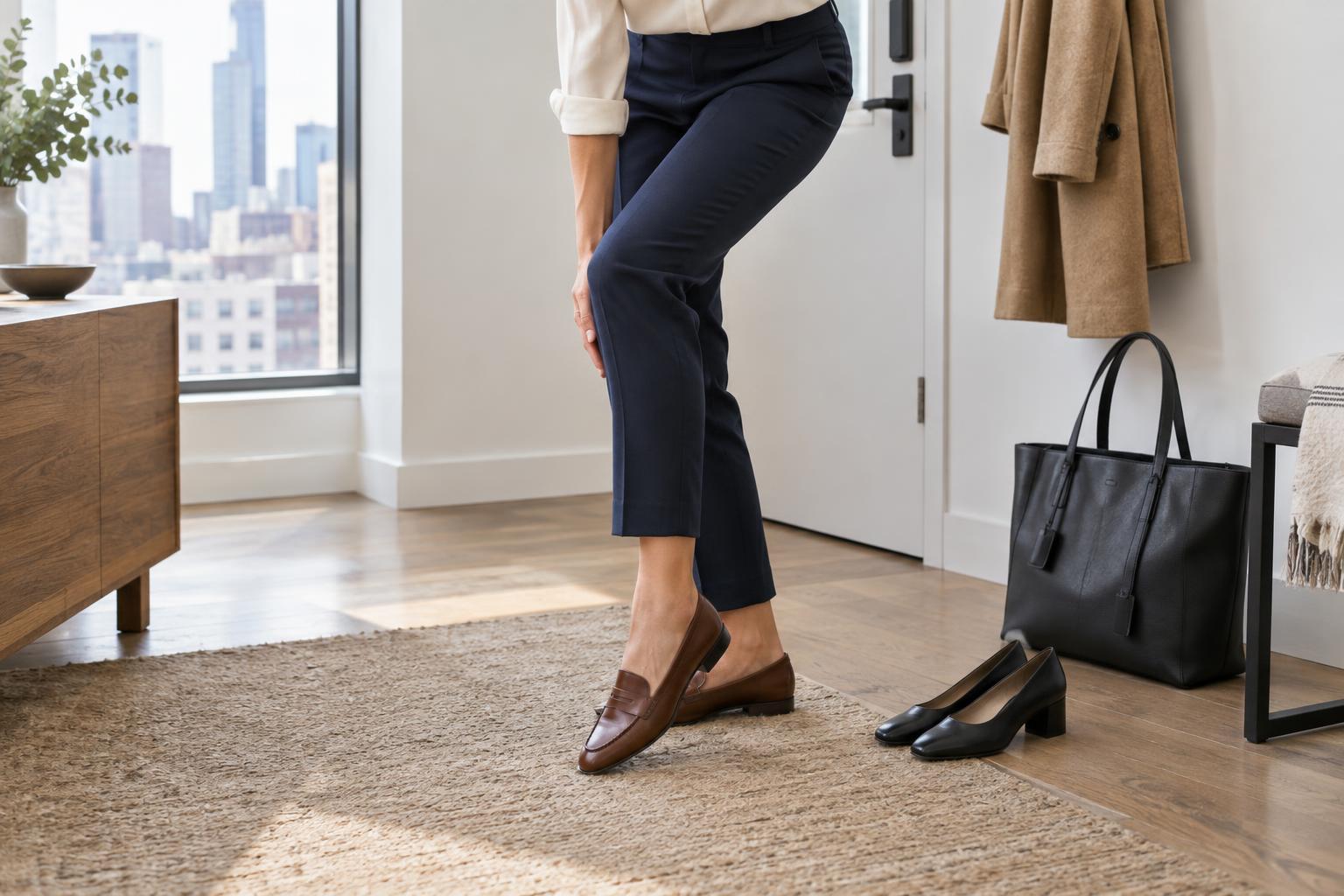
An empty bag may feel light during a quick try-on, yet become uncomfortable once it holds a full day’s essentials. Heavy hardware and thick materials add weight before you pack anything. Slim straps can also press into a shoulder, while short handles may not fit comfortably over a coat. These details matter when a commute includes walking, standing or changing transport.
If possible, try the bag with a similar load to the one you usually carry. Wear the type of outer layer you use for work and see whether the straps stay in place as you move. An adjustable crossbody strap can free your hands, while longer shoulder handles may be easier for frequent access. Neither option is best for everyone; choose the carrying style that suits your route and the weight you expect the bag to hold.
Prioritising appearance over access and security
A polished exterior is appealing, but the way a bag opens can shape your entire workday. A narrow zip may make a spacious bag awkward to use. A single deep compartment can turn every search for a travel card or keys into a rummage. An open top may be convenient at a desk but less reassuring in a crowded setting, particularly if small valuables can move around freely.
Think through the moments when you reach into your bag: at a station gate, in a queue, or while holding a coffee. Look for a closure you can use easily and a simple place for frequently needed items. A zipped internal pocket, a key clip or a small removable pouch may be enough; more compartments are not automatically better. Check that pockets remain usable when the main compartment is full and that the closure works without forcing it.
Buying for one outfit instead of your working week
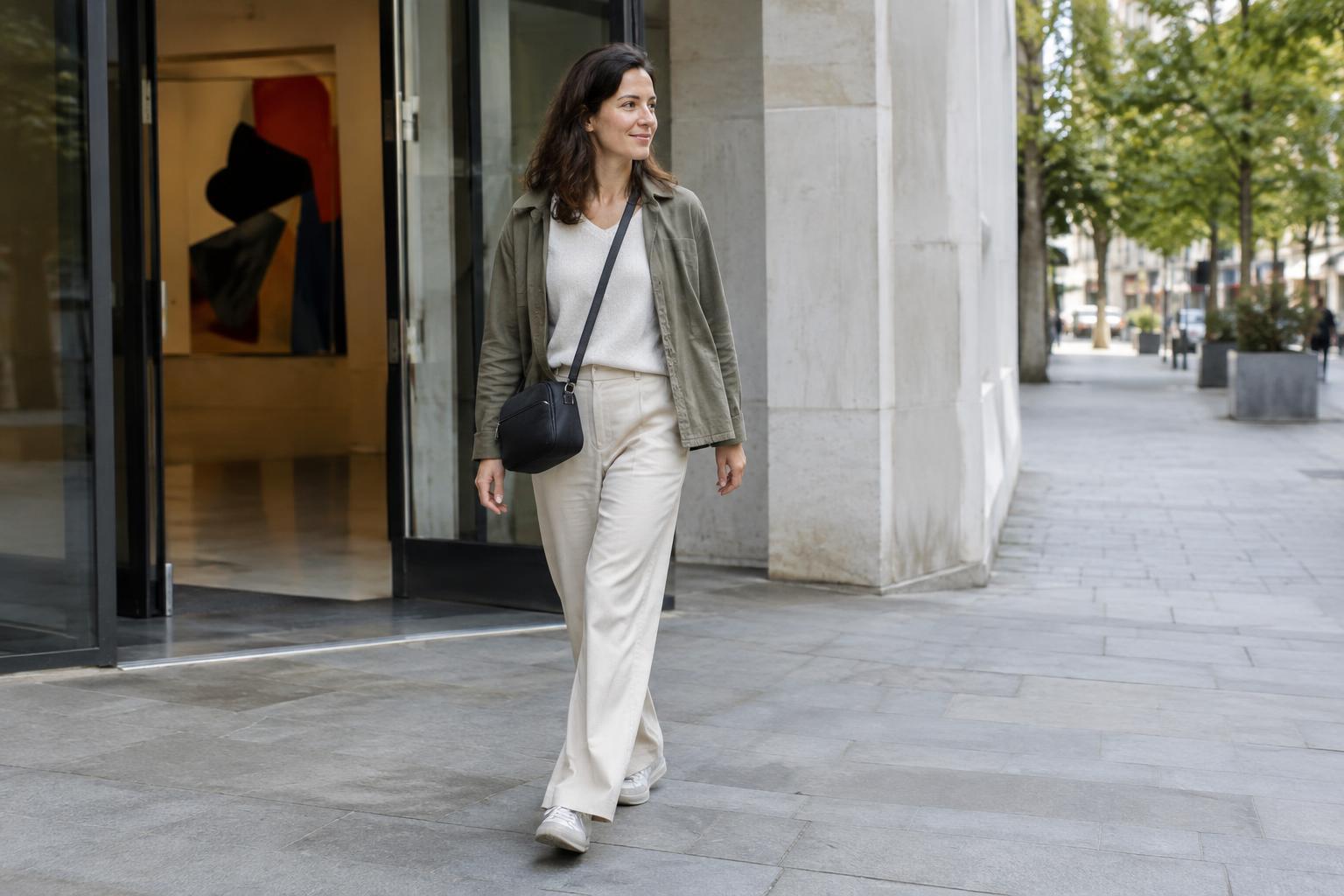
It is easy to choose a handbag because it completes one outfit, then discover that it clashes with most of your workwear or feels too formal for errands after hours. The better test is not whether a bag matches everything perfectly, but whether you would feel comfortable carrying it across the situations that fill your week. Your workplace, commute and plans after work may all influence that choice.
Picture the bag alongside several outfits you already wear, including outerwear and shoes. Consider its shape and finish as well as its colour: a simple design may move more easily between tailored and relaxed clothes than one with details you only enjoy occasionally. A bold colour can still be a versatile choice if it works with your usual wardrobe. Buy for your real routine rather than an imagined version of it.
Skipping the care and construction check
A workday bag is likely to encounter crowded spaces, changing weather and surfaces that are not always clean. Choosing a material solely for its first impression can lead to frustration if it marks easily or needs more attention than you want to give it. Before buying, consider how much upkeep you are willing to do and whether the bag’s surface and colour suit that level of care.
Look closely at stitching, strap attachments, the base, lining and zips. Set the bag down to see whether it remains stable, and check whether its shape makes it easy to store when you get home. Read any care information provided and be realistic about it. A good workday handbag does not need to be elaborate or expensive; it needs to be comfortable to carry, straightforward to use and suited to the days you actually have.