Start with one reason to go
A solo outing is easier to plan when it has a simple purpose. You might want to browse a bookshop, see an exhibition, walk through a park, or sit somewhere with a coffee and a notebook. Choose one activity that appeals to you, rather than trying to make the trip feel impressive. That choice becomes your anchor: if you do only that one thing, the outing has still served its purpose.
Next, decide how much time and energy you want to give it. An hour close to home can be as satisfying as an afternoon across town. Think about whether you want a lively setting or a quieter route, and whether you would rather keep moving or spend time in one place. These preferences matter more than fitting a long list of stops into the day.
Build a loose route, not a strict schedule
Once you have an anchor, look at what is nearby. A second stop could be a café, a public garden, a market, or simply a pleasant street to walk along. Keep it optional. If your first activity takes longer than expected, you can skip the rest without feeling behind. If you are enjoying yourself and have energy left, the extra stop gives you an easy next step.
Check the practical details that could affect your plan, such as opening hours, entry requirements, travel options, and the likely walking distance between stops. If a venue requires a booking, arrange it before you leave; otherwise, it can be useful to have an alternative in mind. For a longer outing, note where you could pause, use a restroom, or head home. A few points of reference make it easier to be spontaneous.
Dress and pack for the day you actually want
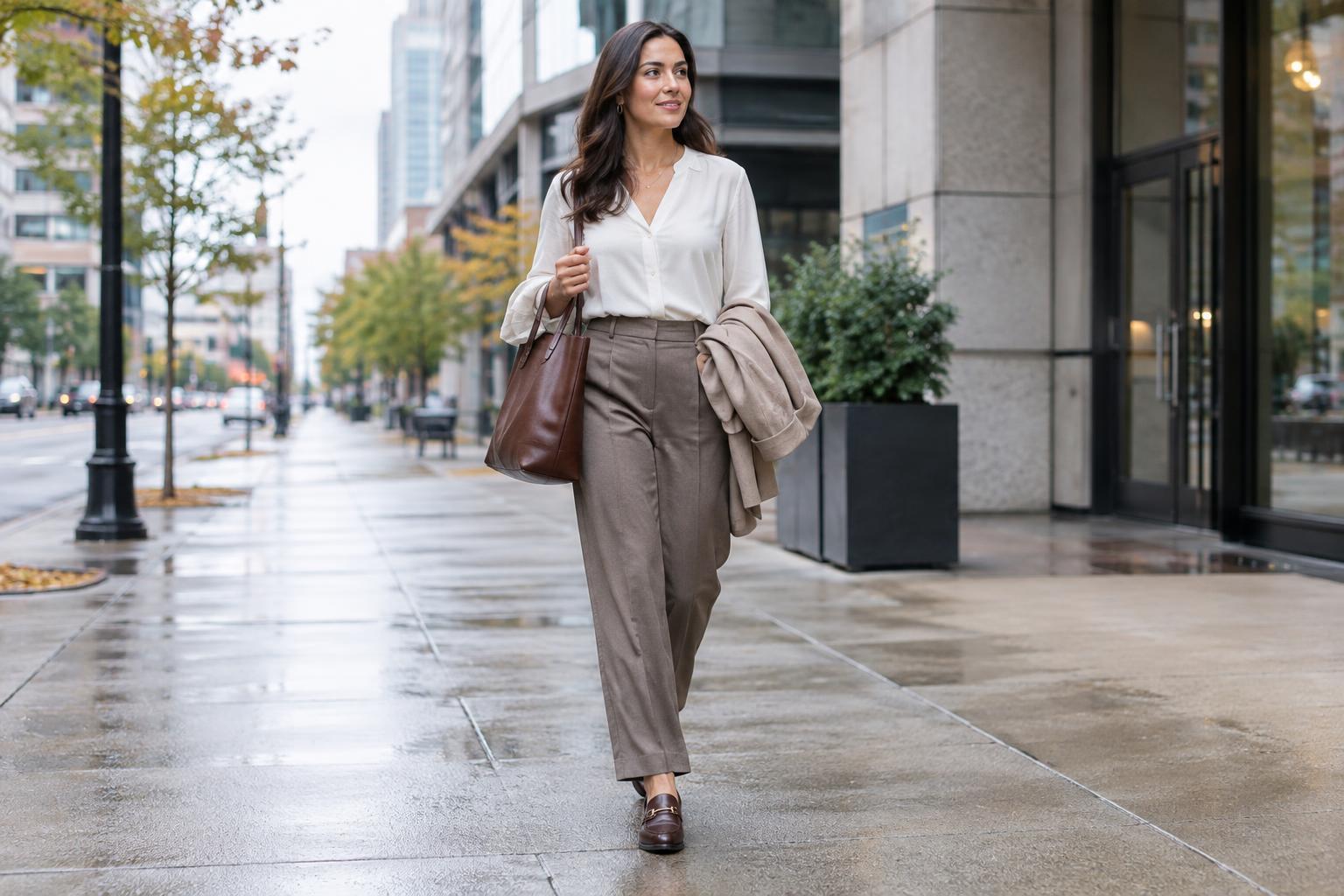
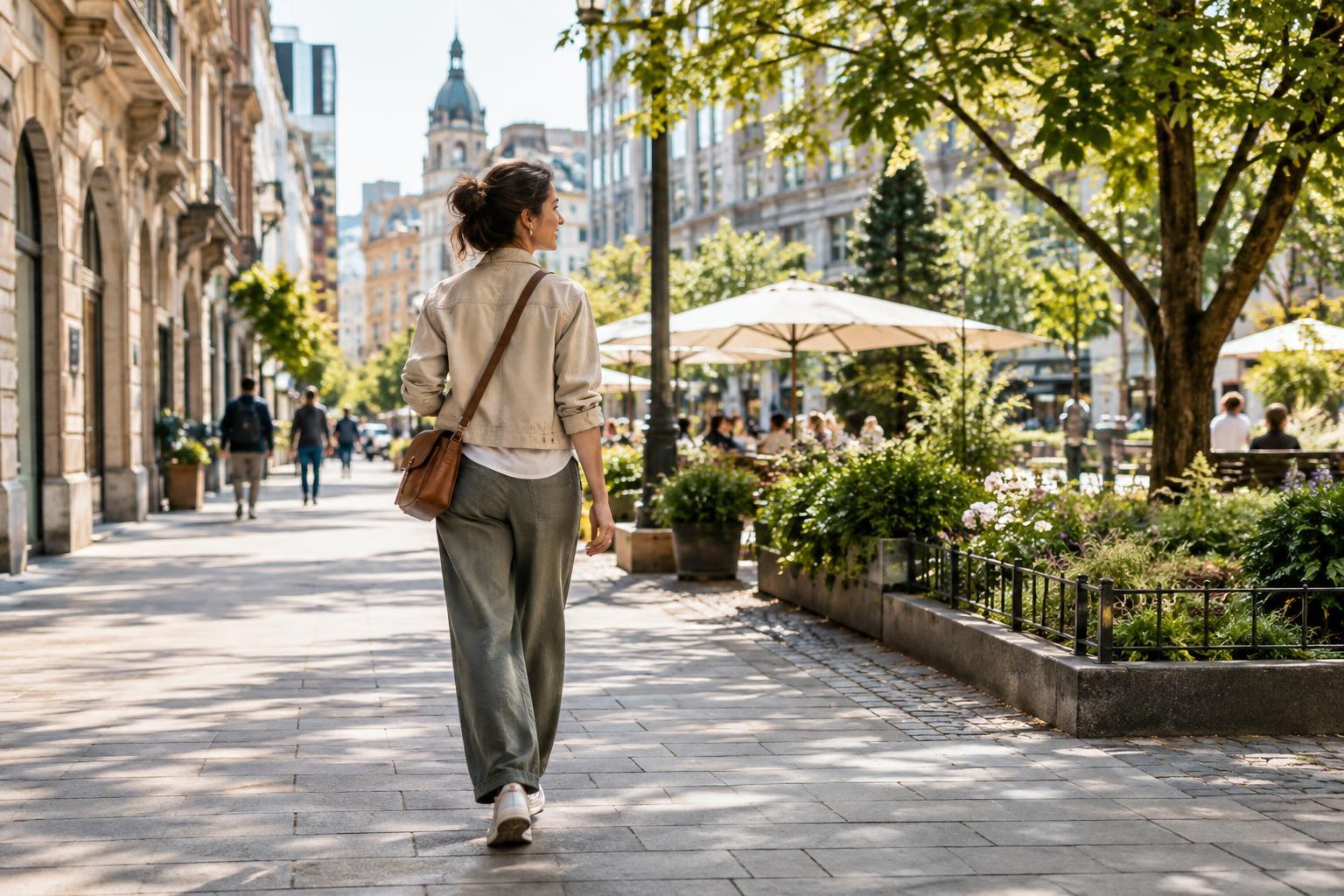
Your outfit should suit the route, the weather, and the amount of walking you expect to do. Comfortable shoes can make a bigger difference than a carefully planned look you cannot move in easily. If your outing includes both an indoor visit and time outside, layers let you adjust without needing a complete change. A familiar outfit with one piece you enjoy wearing can feel both practical and intentional.
Keep your bag light enough to carry comfortably. A charged phone, payment method, keys, and any tickets or booking details cover the basics. Add water, a compact weather layer, or another small essential if the plan calls for it. Before leaving, check that you know how you intend to get back, especially if your outing may finish after dark. Preparation should support your freedom to explore, not weigh you down.
Give yourself permission to change pace
Being on your own means you can set the tempo. You can linger over a display, take a different street, leave a crowded place, or sit for a while without negotiating with anyone else. Try treating your plan as a menu rather than a checklist. A pause is part of the outing, not evidence that you are doing too little.
If you feel unsure about going out alone, begin with a familiar area or an activity that gives you something to focus on. Browsing, sketching, reading, or taking a short walk can make unstructured time feel more comfortable. You do not need to stay out until a particular hour to make the trip worthwhile. Head home when the experience feels complete, whether that is after one stop or several.
Make it easy to do again
Afterward, take a moment to notice what worked. Perhaps you liked having a destination but not a timetable, or perhaps a shorter walk left you with more energy to enjoy the main stop. You might discover that a small bag was enough, or that an extra layer would have been useful. These observations can help you plan the next outing without turning leisure into another task.
A solo city outing does not have to be a special occasion. It can be a simple way to spend time with your own interests between everyday commitments. Keep a short list of places or activities you would like to try, and pick one when you have the time and inclination. Start small, leave room to adjust, and let your preferred pace shape the day.