Dressing for the desk but not the journey
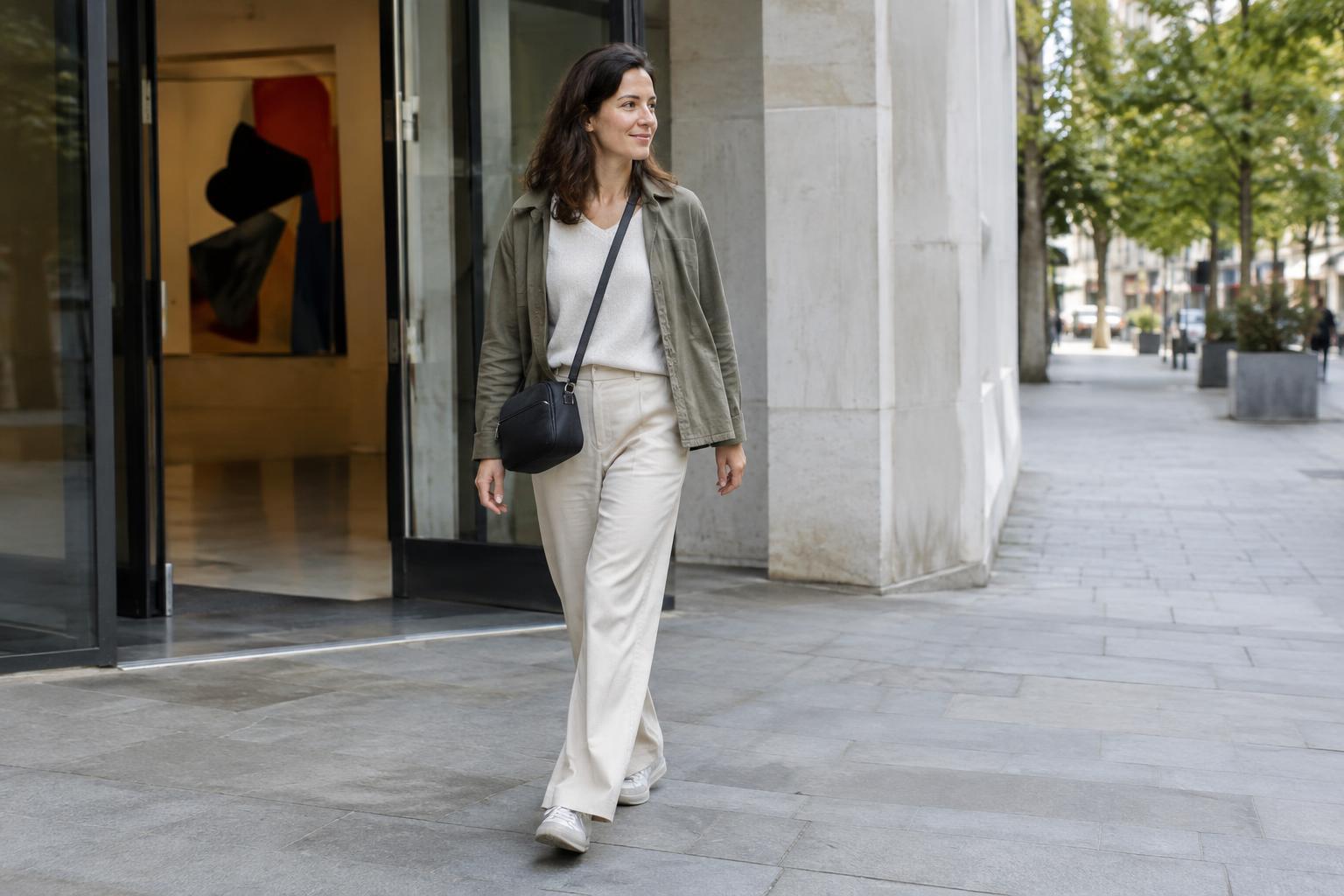
An outfit may feel comfortable while standing in front of a mirror but prove awkward on a walk to the station, a crowded train or a bike ride. A skirt that needs constant adjusting, a bag that slips off your shoulder or shoes that pinch after a few blocks can distract you before the day has started. When choosing an outfit, think through the whole route as well as the hours you will spend at work.
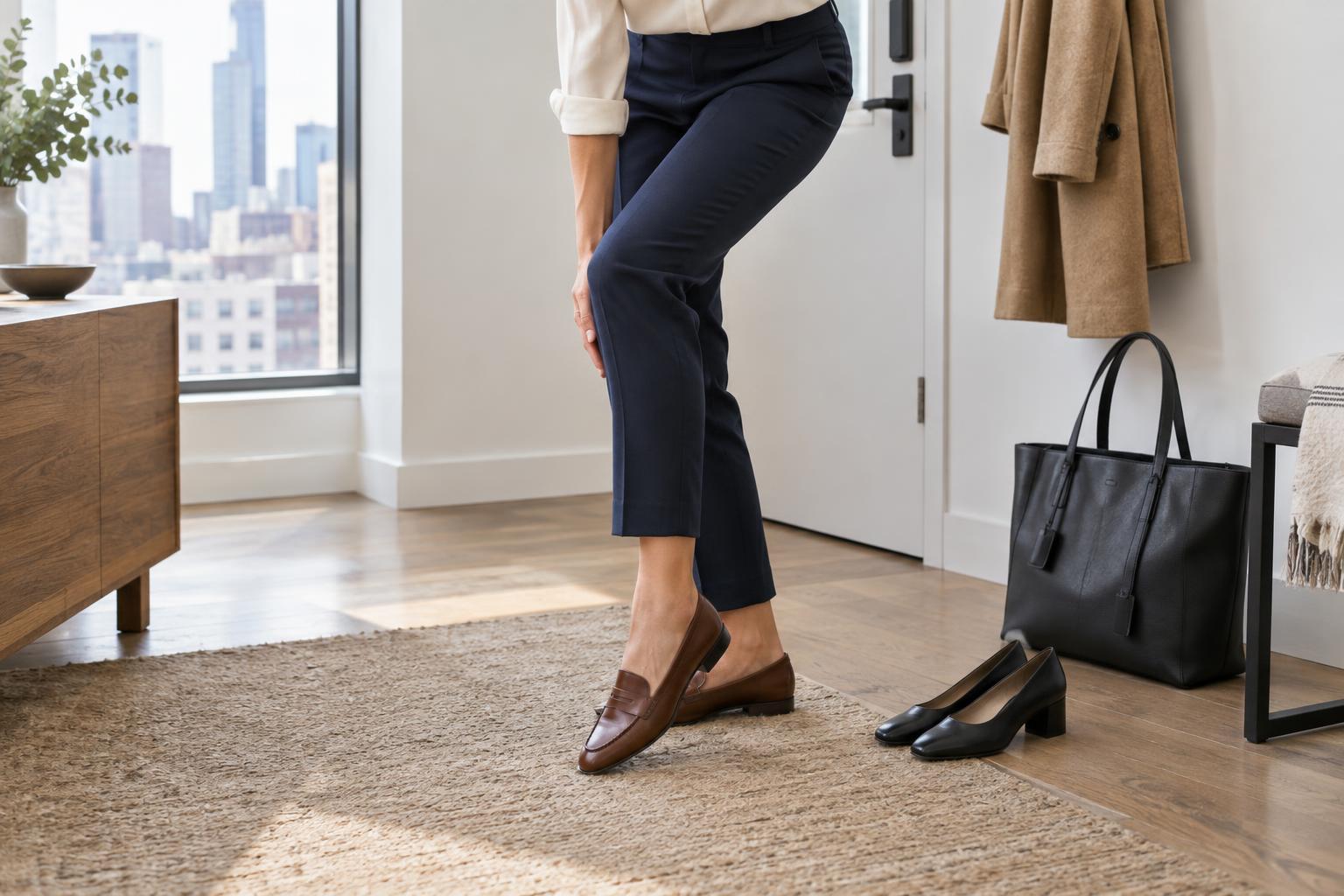
Try a brief movement check before leaving: sit down, walk around, reach for a bag and put on your outer layer. If something pulls or shifts, change one piece rather than accepting a full day of fussing with it. Comfortable commuting shoes can be part of a polished outfit; you do not need to rely on a pair that only works for short distances.
Getting the dress code almost right
Workplace expectations can be easy to misread, especially when the same day includes meetings, routine tasks and an after-work plan. The mistake is not choosing a casual or formal item in itself. It is building an outfit around one occasion without considering the others. A very relaxed top may feel out of place at a presentation, while a restrictive jacket may be more effort than an ordinary desk day requires.
Use your workplace's usual standards as a starting point, then check your calendar. For a day with mixed demands, a simple base outfit with one adaptable layer often works well: tailored trousers with a comfortable knit, for example, or a straightforward dress with a jacket you can remove. If you are unsure about an event, choosing neat, comfortable pieces is usually more useful than wearing something elaborate that you cannot move in easily.
Ignoring fit in favour of a finished look
A good colour combination cannot compensate for clothes that need repeated tugging or adjusting. Waistbands that dig in when seated, sleeves that get in the way and fabrics that feel too sheer under office lighting can all affect how readily you wear an outfit. Fit is also about how pieces work together: a shirt that feels fine alone may bunch under a close-fitting blazer.
Check an outfit in the positions you will actually use throughout the day. Sit at a table, lift your arms and look at the outfit with your usual coat and bag. If an item is almost right, consider whether a simple adjustment, such as changing the hem length or swapping the layer beneath it, would help. If not, it may be better saved for a different setting rather than forced into your work rotation.
Relying on one temperature or one pair of shoes
City days can involve outdoor air, heated transport and an office that feels different from both. Dressing for only the first temperature you encounter can leave you uncomfortable later. Similarly, a shoe choice that works with the outfit but not with your route may become the part of the day you think about most.
Build in options without carrying an entire change of clothes. A light knit, cardigan or jacket that works over your base outfit gives you more control than a single heavy layer. For footwear, consider the walking surface, distance and any time you will spend standing. If you change shoes at work, make sure both pairs suit the clothes you are wearing and that you have a practical place to keep the spare pair.
Leaving outfit decisions until the last minute
Even a versatile wardrobe can feel difficult to use when the pieces you want are in the wash, creased or hard to find. Rushed decisions can lead to an outfit made from whatever is available rather than pieces that work well together. Buying more clothes is not necessarily the answer; making your existing options easier to see and maintain may do more.
Keep a few reliable workday combinations in mind and check that their key pieces are ready before the week begins. Put frequently worn items where you can find them, and allow time to deal with laundry or minor repairs. Repeating a combination that works is not a mistake. Changing a layer, shoe or accessory can make it suit a different day, while keeping the comfort and ease you already know you can count on.