Choose a space you can use easily
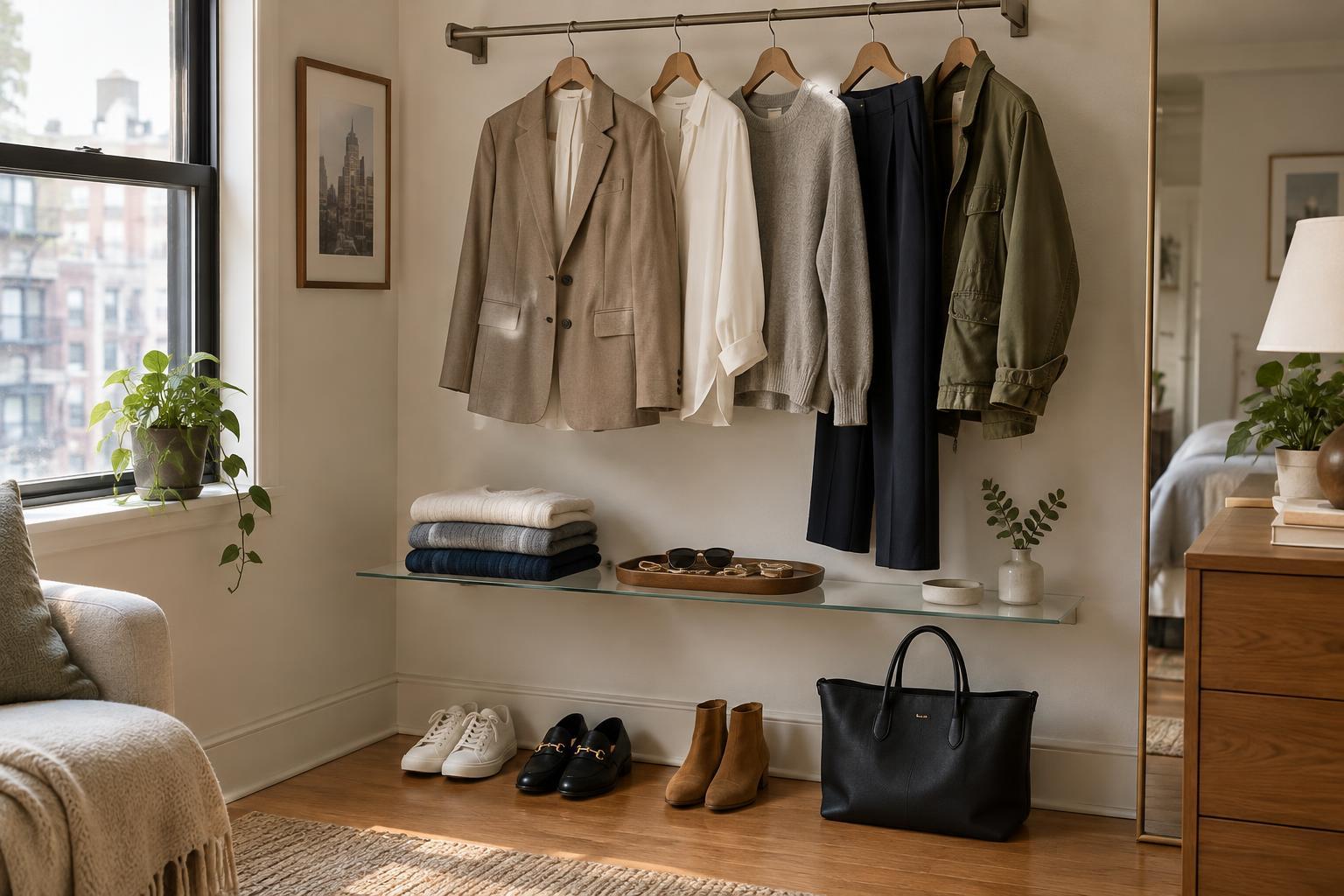
A weekly outfit-preparation space is a place to bring together the clothes and accessories you expect to wear over the next few days. It can be a section of a wardrobe, a short rail, or a shelf beside a few hooks. The goal is not to display a perfect week of outfits. It is to make the next choice easier when you are getting ready.
Pick a spot near where you normally dress, if possible. Leave enough room to see what you have chosen and to take an item out without disturbing everything else. In a small home, one clear end of a wardrobe may work better than adding furniture. Keep frequently used pieces within comfortable reach, and avoid putting clean clothes where they might collect dust or get in the way.
Give each type of item a simple home
Start with the basics: a place for hanging pieces that crease easily, a shelf or drawer for folded items, and a small tray or container for accessories. A hook can hold a bag or an outer layer, provided it can support the weight. You do not need separate storage for every day. Grouping items by purpose is often easier to maintain than creating a complicated system.
Keep the space focused on clothes that are ready to wear. If something needs washing, mending or ironing, move it to a separate, visible task area rather than leaving it among your planned outfits. This helps prevent a rushed morning discovery. Leave a little empty space, too, so you can swap a layer or add an item without rebuilding the whole arrangement.
Plan around the shape of your week
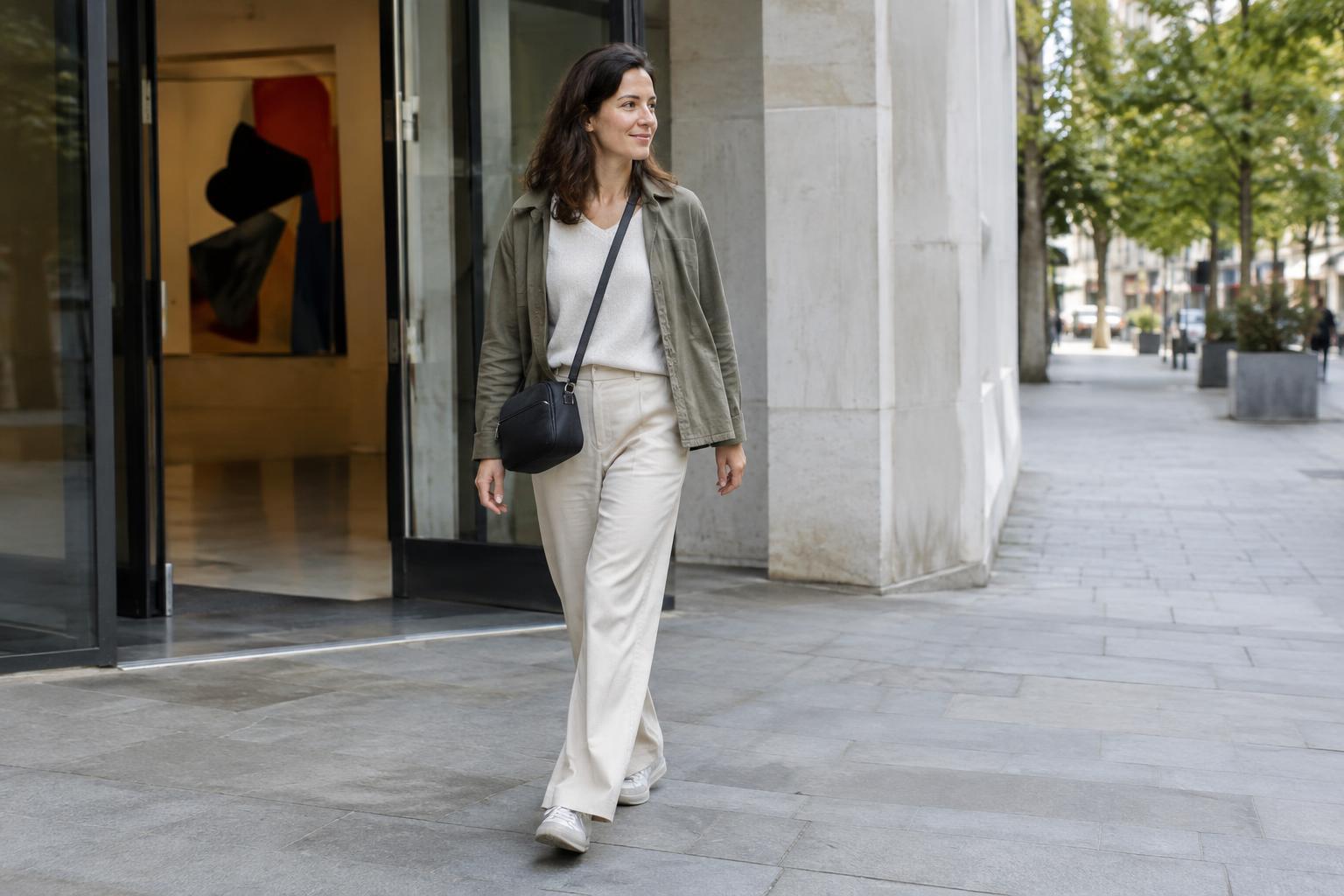
Before choosing clothes, look at the kinds of days ahead: office time, errands, a relaxed evening, or a weekend outing. Then select a few reliable outfit foundations, such as trousers and a top, a dress with a layer, or another combination you already enjoy wearing. If pieces work with more than one outfit, you can prepare fewer clothes while keeping your options open.
Think through the practical details as you plan. Will you be walking a lot, carrying a laptop, or moving between indoor and outdoor spaces? Put suitable shoes, a comfortable bag and an extra layer nearby. Check the weather forecast closer to the day rather than treating an early-week plan as fixed. A useful outfit space should help you adapt, not make you feel obliged to wear what you picked on Sunday.
Prepare the small things that slow you down
An outfit can be ready on its hanger while its belt, tights or preferred earrings are still missing. Use the tray or container to collect the accessories you are likely to need, without mixing them into one hard-to-search pile. If you change bags during the week, decide which essentials need transferring and keep them together in a small pouch.
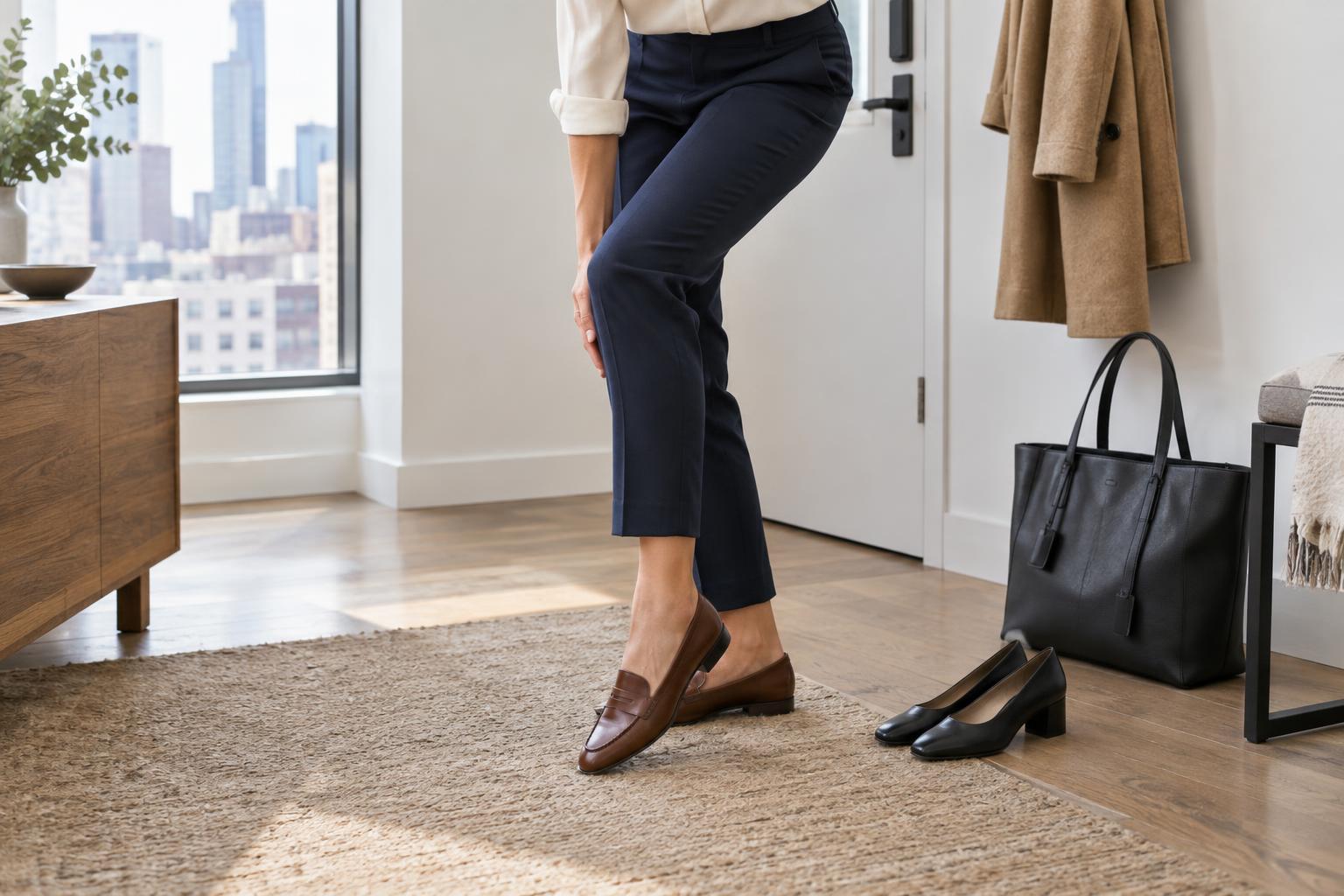
It also helps to check condition and fit while you have time. Make sure shoes are comfortable for the planned day, buttons are secure, and clothes are clean and dry. If a combination does not feel right when you try it on, change it now. Preparation is most useful when it removes decisions, not when it simply moves them to a different corner of the room.
Keep the routine light and flexible
Choose a regular moment to reset the space, such as after putting away laundry or before the workweek begins. Clear out pieces you did not wear, return accessories to their usual homes, and choose a few outfits for the next several days. A short midweek check can catch changes in plans and let you replace anything that has gone into the wash.
You do not have to prepare seven complete looks. Two or three dependable combinations, plus an adaptable extra layer, may be enough to make mornings calmer. If the space becomes crowded or takes too long to maintain, simplify it. The best setup is the one you can keep using in your actual home and routine.