Choose one main destination
A city outing can feel rushed when the plan asks you to cross town several times. Start with one main destination: a museum, shopping street, park, café area or event. If you want to add another stop, choose one nearby. Keeping activities in the same area gives you more time to enjoy them and less time watching the clock.
Before settling on a route, decide what matters most about the day. Perhaps you want a long lunch, time to browse without a schedule or an easy journey home after an evening event. That priority can guide which stop you use and how much else you plan. It is fine to leave an appealing place for another day.
Plan the journey with a little flexibility
Look up the outward and return journeys before you leave, including the walk between each stop and your destination. A route with the fewest transfers is not always the most comfortable one: a slightly longer ride might involve less walking, while another option may avoid a difficult connection. If step-free access or a place to sit is important, check the relevant station and service information rather than assuming it will be available.
Treat the journey time as a starting point, not a precise appointment. Add a buffer for finding the right platform, waiting for a service or walking through an unfamiliar area. For a timed booking, aim to arrive early enough to find the entrance and settle in. You can also note a second route home, so a change of plans does not mean working everything out from scratch.
Make the day comfortable from door to door
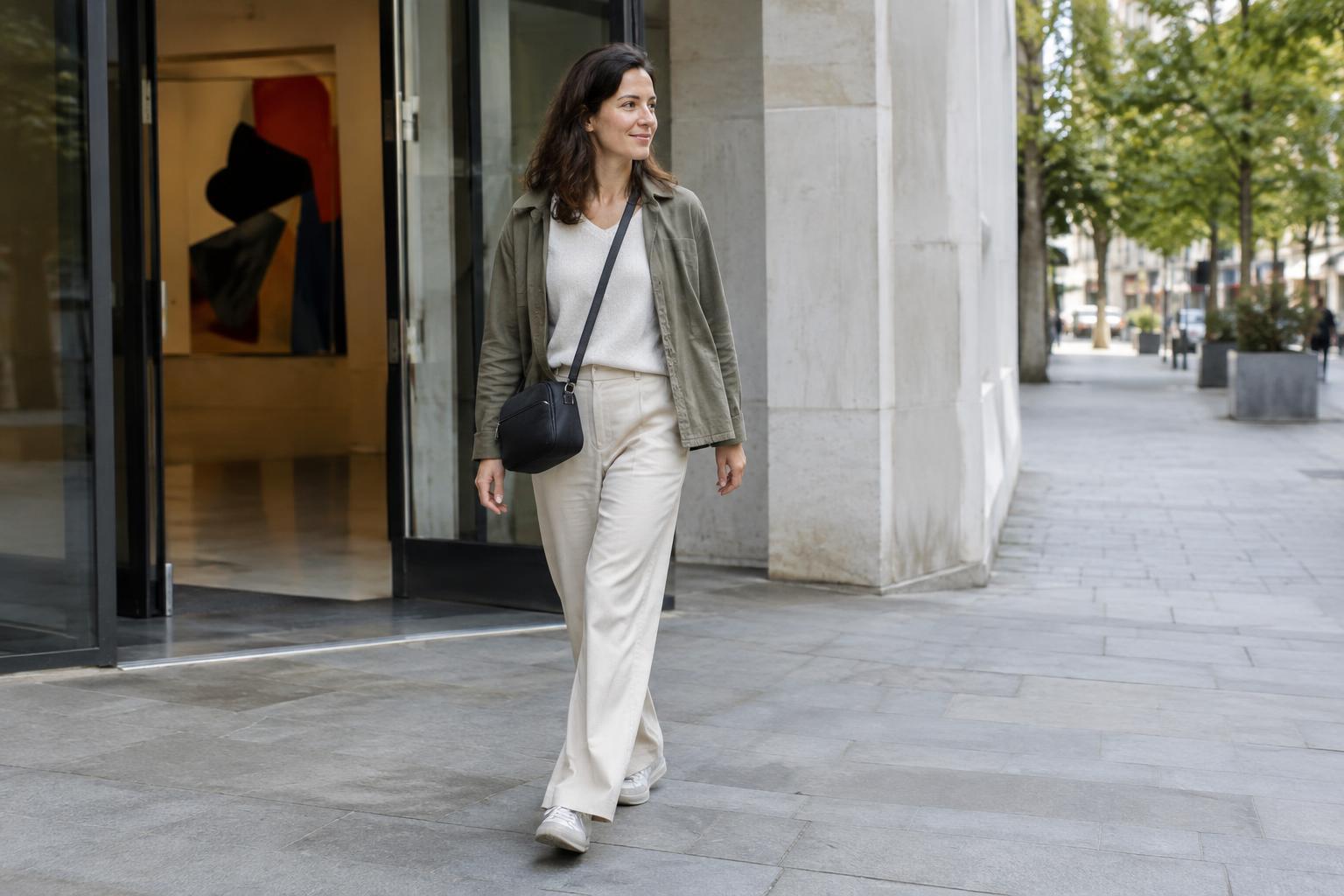
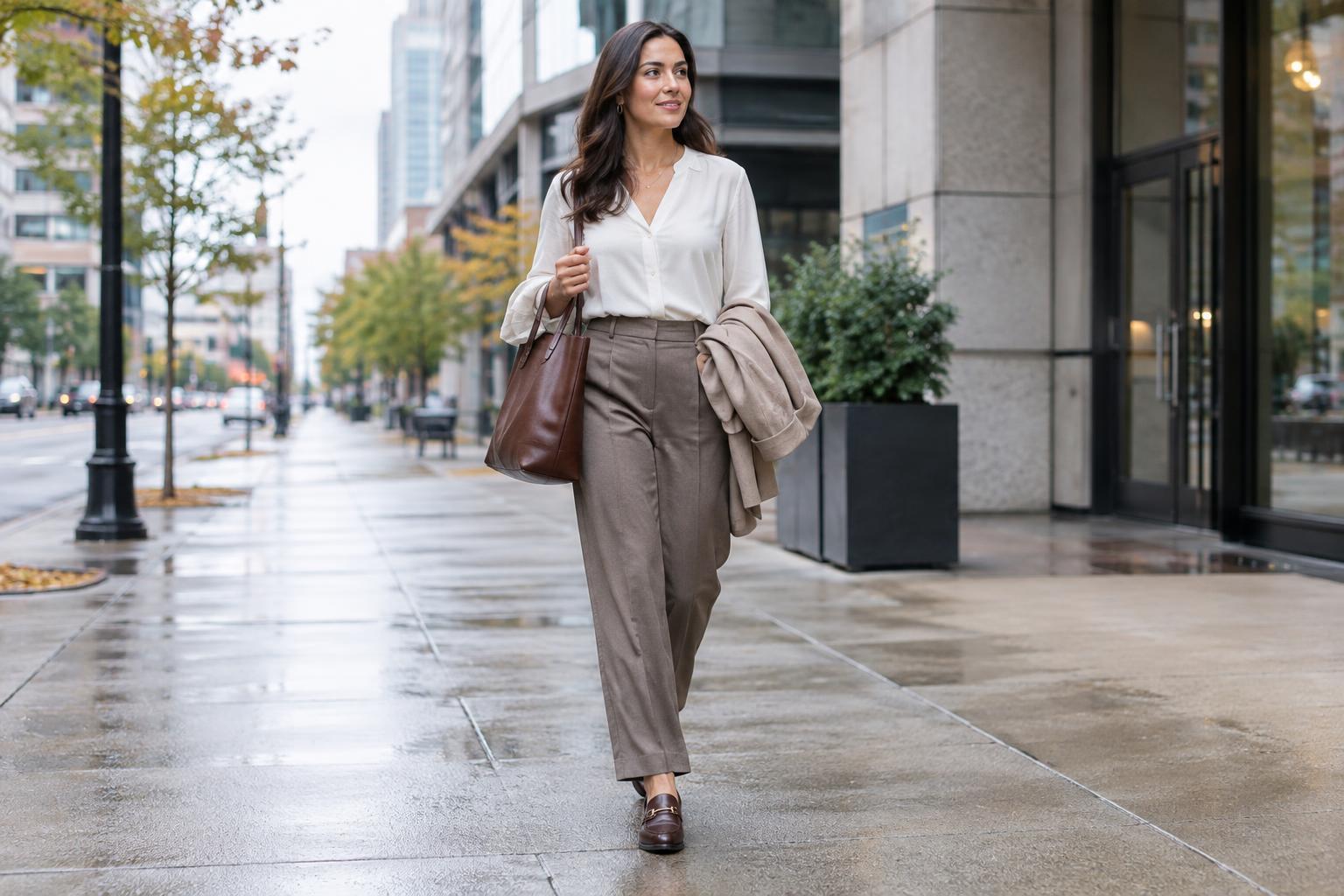
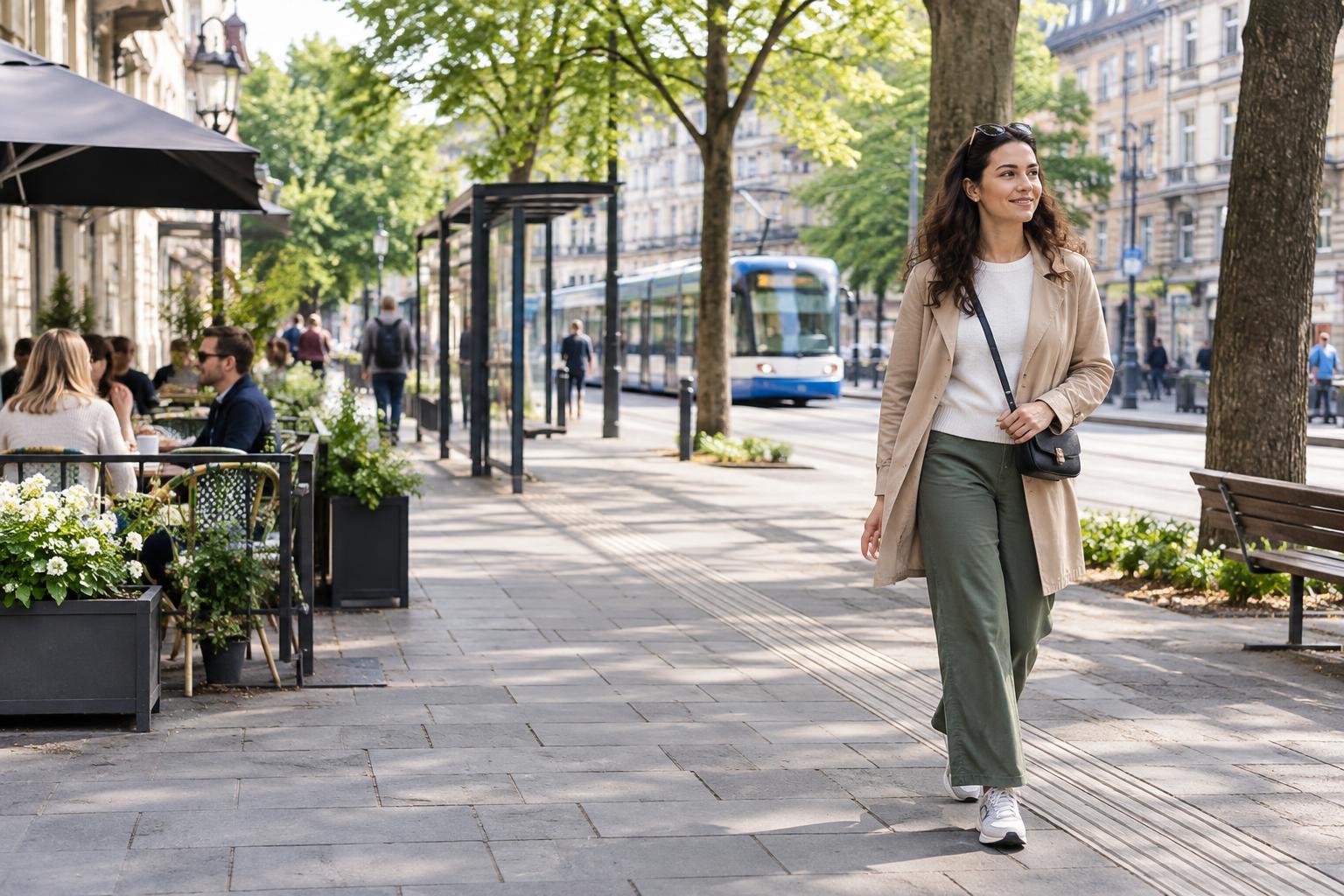
Dress for the parts of the outing that happen between destinations. Shoes you can walk in comfortably matter if you will be moving through stations or spending time on your feet. Layers are useful when the temperature differs between the street, a vehicle and an indoor venue. A bag that leaves your hands free can make it easier to manage tickets, doors and a drink.
Pack for your actual plan rather than every possible scenario. Your fare or payment method, phone, keys and any essentials you normally need should be easy to reach. A compact layer or umbrella may be worth carrying if the forecast calls for it, but an overfilled bag can become tiring. Check ticketing and entry requirements in advance where they apply.
Build pauses into the route
A break does not have to be a separate activity. It might be ten minutes in a public square, a drink after a long walk or a chance to sit before the return trip. When choosing places to visit, notice where you could pause and whether there are facilities you may need. This is especially helpful if your outing includes a lot of standing or if you are travelling with someone whose pace differs from yours.
Leave space between activities rather than treating every available hour as a slot to fill. If you arrive early, that time can become a pleasant wander. If a journey takes longer than expected, you can still enjoy the main event without sacrificing the rest of the day to catching up.
Let the return journey shape the finish
It is easy to plan the exciting part of a day and overlook the trip home. Before heading out, check where you will board your return service and think about when you would like to leave. For an evening outing, pay particular attention to the available services and the walk to the stop. Keep your return plan accessible on your phone or in a note, especially if you expect to be tired.
As the day unfolds, give yourself permission to adjust. Skip the optional shop, take a quieter route or head home while you still have energy. A successful city outing is not measured by how many stops you fit in. With a clear destination, a workable transport plan and room to slow down, the travel can feel like part of the day rather than a race between its highlights.