Start with the outfits you actually wear
An organised wardrobe does not always make it easy to get dressed. You may know where every item lives but still forget which trousers work with a particular top or which shoes make an outfit comfortable for a long day. A personal outfit guide solves a different problem from storage: it keeps useful combinations visible, so you do not have to rebuild them from memory each morning.
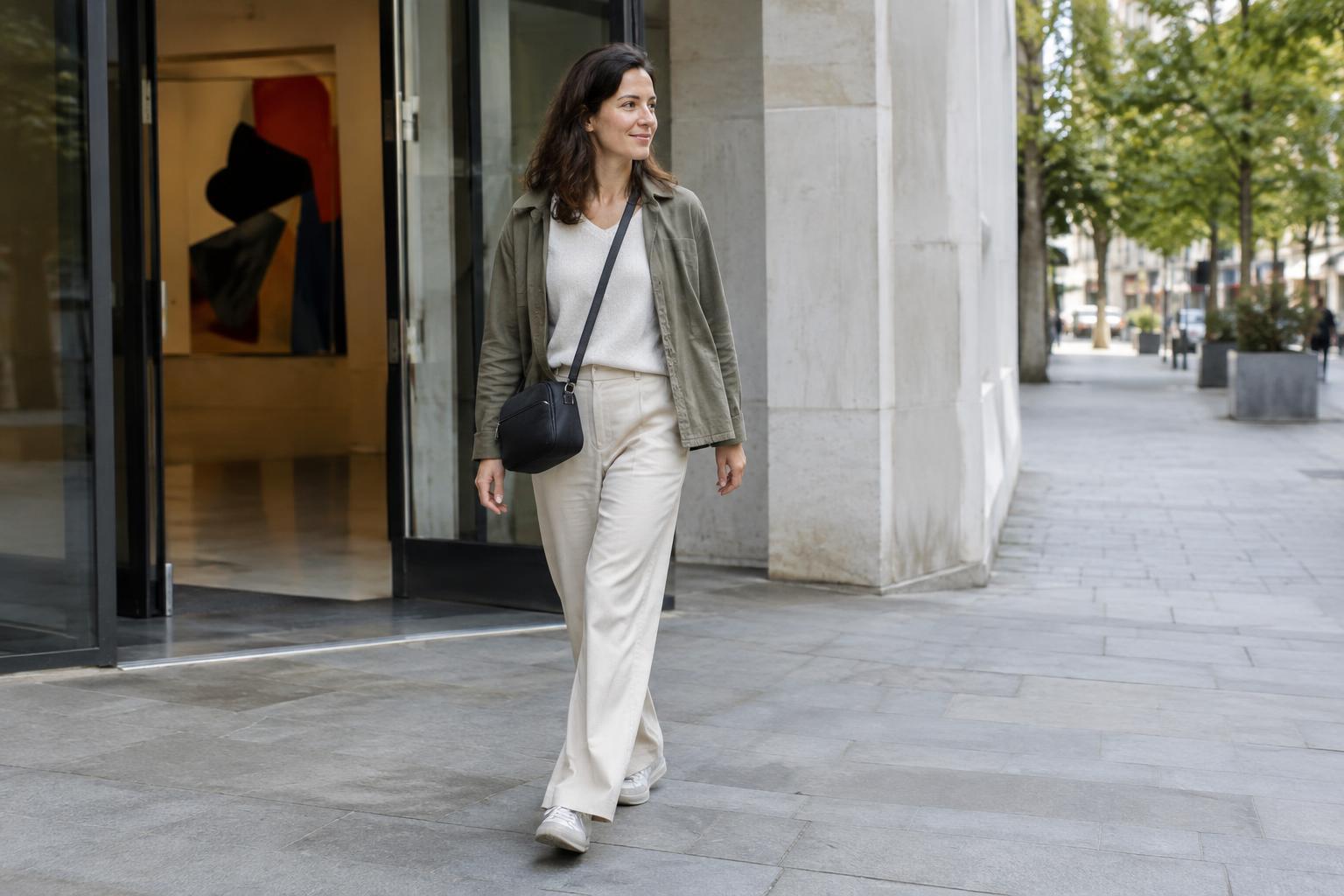
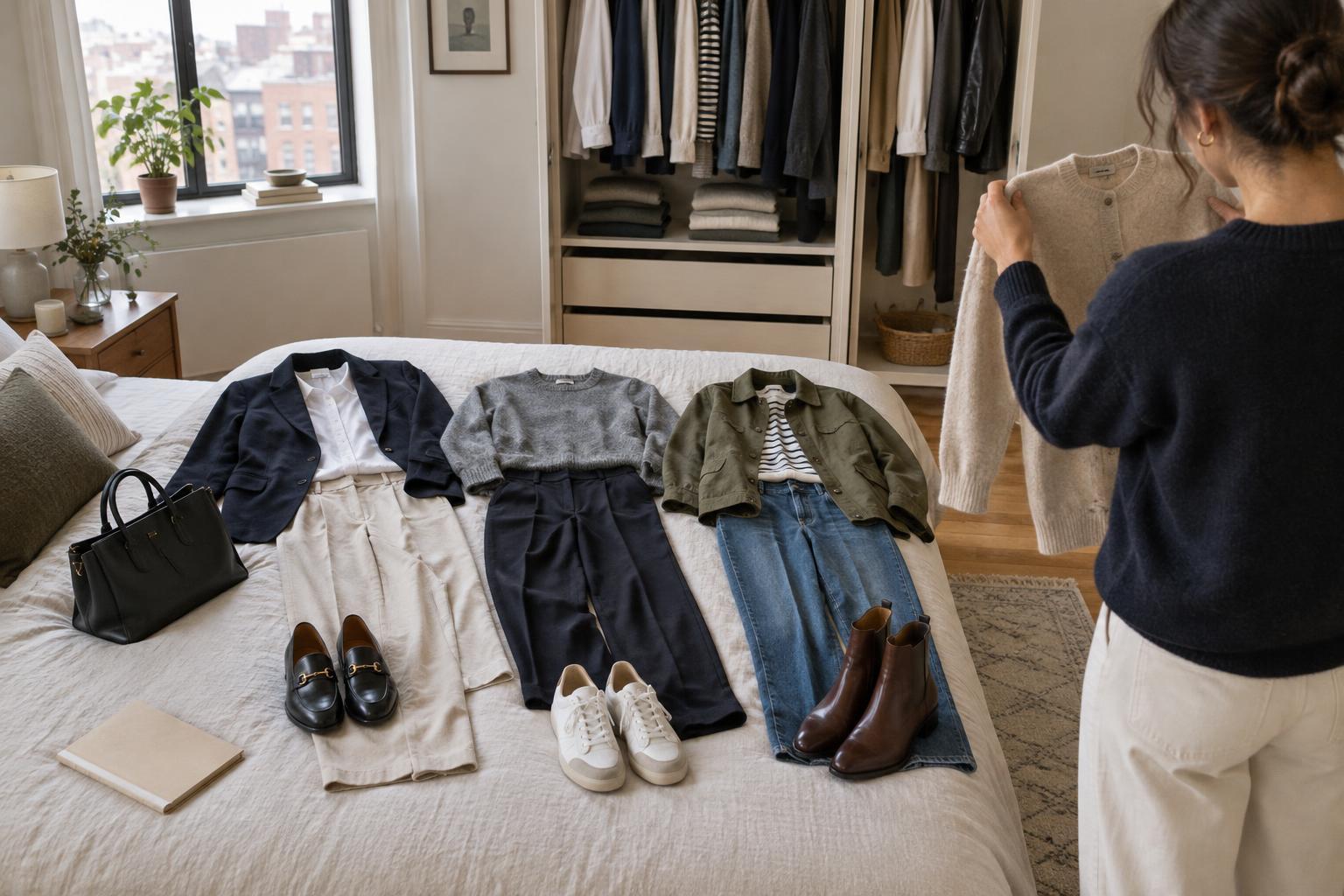
Begin with three to five outfits you already like wearing. Include the whole combination, not just the main garments: shoes, outer layer and any bag that affects how practical it feels. Choose examples for situations that recur in your life, such as a workday, an errand-heavy afternoon or a relaxed evening out. There is no need to photograph your entire wardrobe or invent new looks before you start. A small guide you use is more helpful than an ambitious one you never finish.
Record enough detail to make each outfit repeatable
A phone photo is often the quickest record. Lay the pieces together or take a mirror photo if that shows the proportions more clearly. If you prefer not to use photos, write a short description in a notebook or note-taking app. Either way, make it specific enough to recognise the items later. “Black straight-leg trousers, striped shirt, grey cardigan and flat boots” is more useful than “smart casual outfit.”
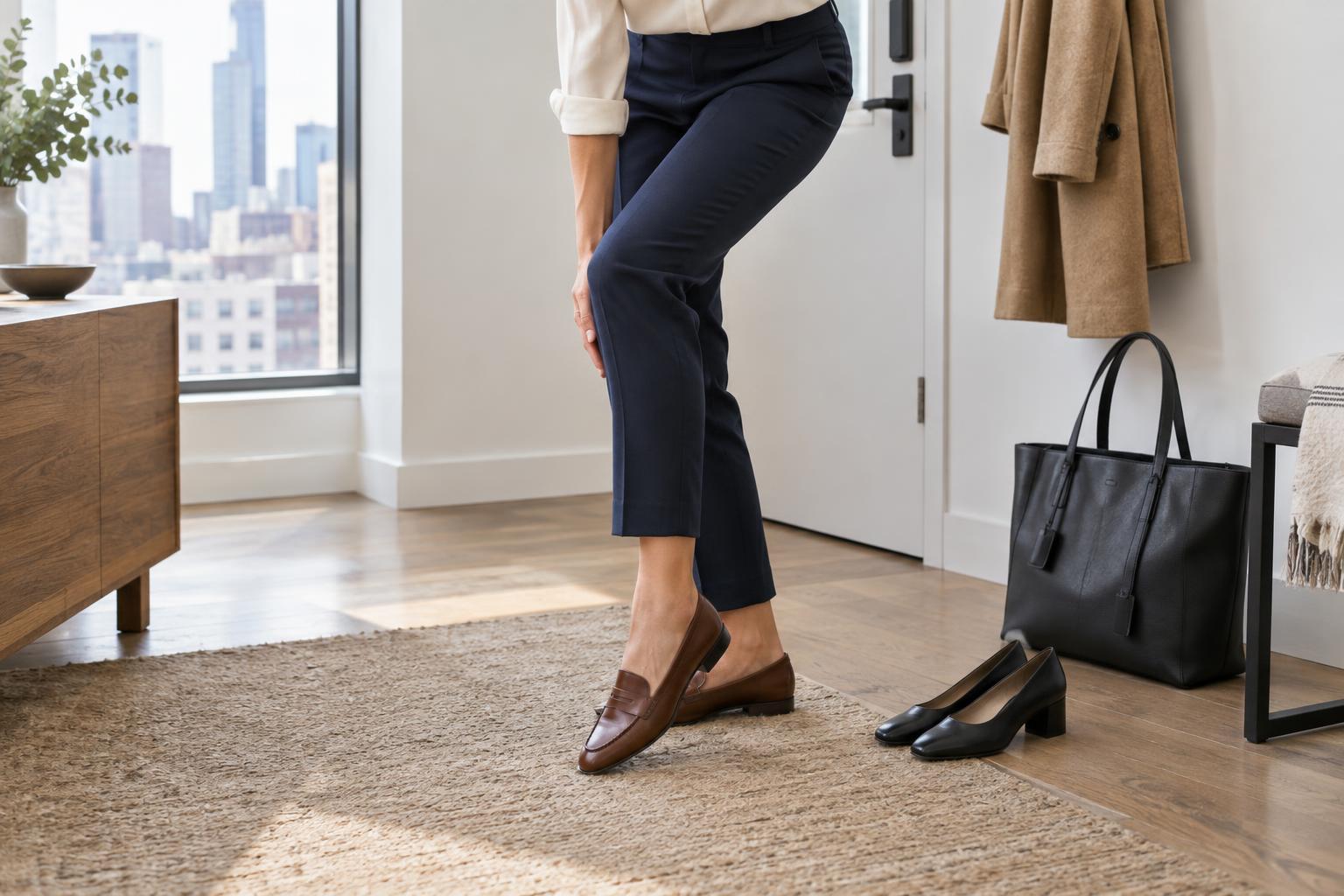
Add one brief note about why the combination works. Perhaps the jacket fits over the knit without feeling tight, the shoes suit a longer walk, or the outfit can move from a desk to an informal dinner. These observations are worth keeping because they help you adapt the outfit, not merely copy it. If a combination needs a particular clean item or a change of shoes, note that too. The aim is a reliable prompt, not a polished fashion catalogue.
Group outfits by the decisions you make in the morning
Sort your guide in whatever way helps you find an answer quickly. Occasion is a good starting point: work, casual plans, travel across town and evenings out. You can then add simple notes for conditions that change your choice, such as a warm day, unpredictable weather or lots of walking. Avoid creating so many categories that filing an outfit becomes a task of its own.
Make the guide easy to reach where you get dressed. A dedicated phone album, a short digital note or a few cards kept near the wardrobe can all work. If you use photos, choose a clear image as the first one for each outfit so you can scan the collection. Keep the original garments in their usual storage places rather than trying to store complete outfits together; the guide should connect pieces across your wardrobe without making laundry or putting clothes away more complicated.
Use the guide to spot useful variations
Once you have recorded a few dependable outfits, look for easy changes. Could the same trousers work with a lighter top? Would swapping a structured bag for a hands-free one make the combination better for errands? Try changing one element at a time and record the variation only if you would genuinely wear it. This keeps the guide focused on workable choices rather than theoretical possibilities.
Your notes may also reveal why some clothes rarely make it into an outfit. An item might need a comfortable layer, a different shoe shape or a simple repair. Do not treat every gap as a reason to shop. First check whether a piece you already own can fill it. The guide is most useful when it helps you get more from your wardrobe, not when it becomes a list of things to buy.
Keep it current without making it another chore
Update the guide as part of getting dressed, rather than setting aside a large sorting session. When an outfit feels particularly comfortable and appropriate for the day, save a photo or add a line of text before you forget the details. If a combination looks good in a photo but feels awkward in use, change the note or remove it. Practical experience is a better test than how neatly the pieces appear together.
Every so often, skim the guide and clear out outfits that no longer fit your routine, preferences or clothes. Keep the combinations you can put on with confidence. Over time, you will have a compact reference for the days when you want to make a quick choice, while still leaving room to dress differently whenever you feel like it.