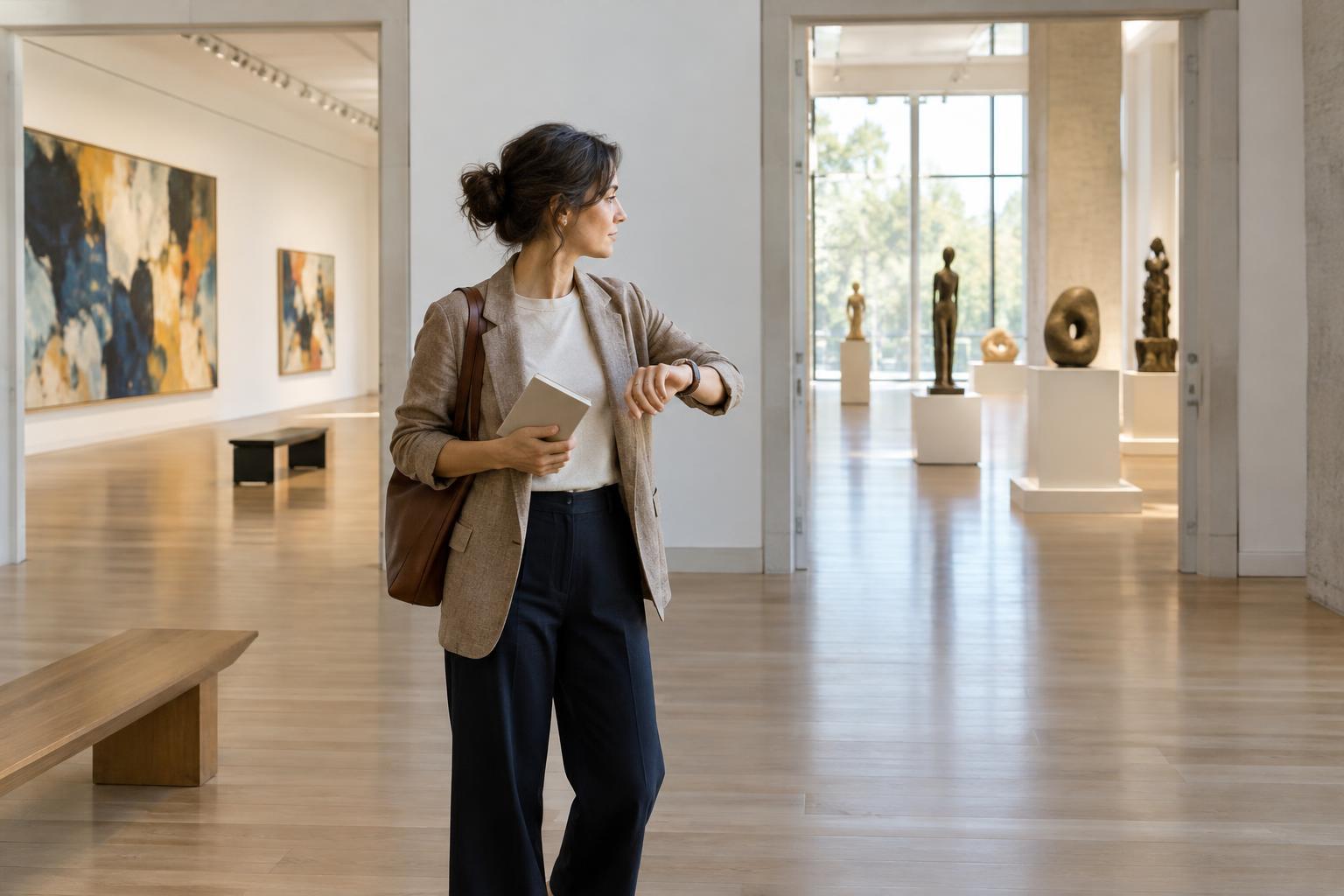
Start with the experience you want
Choosing an event is easier when you begin with the kind of experience you want, rather than a long list of things happening around the city. Are you hoping to learn something, see work by an artist you already like, spend time with a friend or simply change your surroundings? A quiet exhibition may suit a reflective afternoon, while a concert or performance may feel better when you want a more focused occasion.
Look beyond the event’s broad label. A talk might be an introduction for newcomers or a detailed discussion for an established audience. A workshop may involve making something yourself, while a demonstration lets you watch. Read the description for clues about the format, subject and level of participation. If you are curious but unsure, an event with a clear theme and a manageable length can be a comfortable place to start.
You do not have to be an expert to enjoy cultural activities. Genuine interest is enough. It is also fine to skip an event that sounds impressive but does not appeal to you.
Match the outing to your available time and energy
The event itself is only part of the commitment. Add the journey, any arrival time, a possible queue and the trip home before deciding whether it fits your day. A one-hour performance across the city may take most of an evening once travel is included. Conversely, a nearby gallery visit can offer a satisfying break without requiring you to rearrange other plans.
Think about your energy as well as your calendar. After a full workday, a seated performance might sound more appealing than a standing event or an activity that asks you to concentrate for several hours. On a free weekend morning, you may be happier exploring at your own pace. If your schedule is unpredictable, look for flexible entry, a wide visiting window or a booking that can be changed, and check the conditions before paying.
Leave a little space around the outing when you can. Rushing from an appointment into an unfamiliar venue may make an enjoyable event feel like another task. A plan that fits comfortably into your day is often more rewarding than an ambitious one you have to squeeze in.
Compare the practical details before booking
Once you have a shortlist, compare what matters to you: the total cost, location, running time and any limits on entry. Check whether you need to book a particular arrival slot, whether there is an interval and whether late entry is allowed. For an exhibition, find out if your ticket covers the whole venue or only a particular display. These details can help you choose between two equally appealing options.
Consider comfort and access, too. Venue information may tell you about seating, step-free routes, toilets, quiet spaces or options for people with sensory needs. If a detail is important and unclear, contact the organiser before committing. For an outdoor event, think about the weather and whether there is a sheltered alternative. For a late finish, consider how you will get home.
Set a budget for the full outing rather than the ticket alone. Transport, food and any optional purchases can change what a seemingly inexpensive event costs. You can still make a special occasion of a simple visit; the point is to choose deliberately, not to spend more than you intended.
Make the plan work for your company
A solo visit gives you control over your pace. You can spend longer with something that catches your attention, leave when you are ready or choose a topic that nobody else in your circle shares. If going alone feels unfamiliar, a short event with a clear start and finish can be an easy first choice.
When you go with someone else, agree on more than a date. Ask what each of you hopes to get from the outing and how much time you want to spend there. A friend who wants to discuss every display may have a different pace from someone who prefers a quick look and a long conversation afterward. Neither approach is wrong, but a brief conversation beforehand can prevent frustration.
Make the meeting point and end-of-evening plan clear, especially if the venue has several entrances or you are travelling separately. You can also keep the outing low-pressure: enjoy the event together, then leave room for either an optional meal or an easy journey home.
Prepare for the day without overplanning it
Check your booking and route before leaving, then choose clothes that suit both the event and the journey. Comfortable shoes are useful if you will be walking or standing; a layer you can carry easily may help when moving between outdoors and an indoor venue. A small bag can hold essentials such as your ticket, keys and anything you need during the outing without becoming cumbersome.
Give yourself permission to enjoy the experience on its own terms. You do not need to see every room of a museum, understand every reference in a performance or turn a workshop into a new hobby. If you leave with one memorable idea, image or conversation, the outing may already have been worthwhile.
Afterward, notice what worked: the subject, format, time of day, travel distance or amount of company. Those small observations make the next choice easier. Over time, you can build a cultural routine that reflects your interests and fits naturally into city life.