Start with the piece closest to you
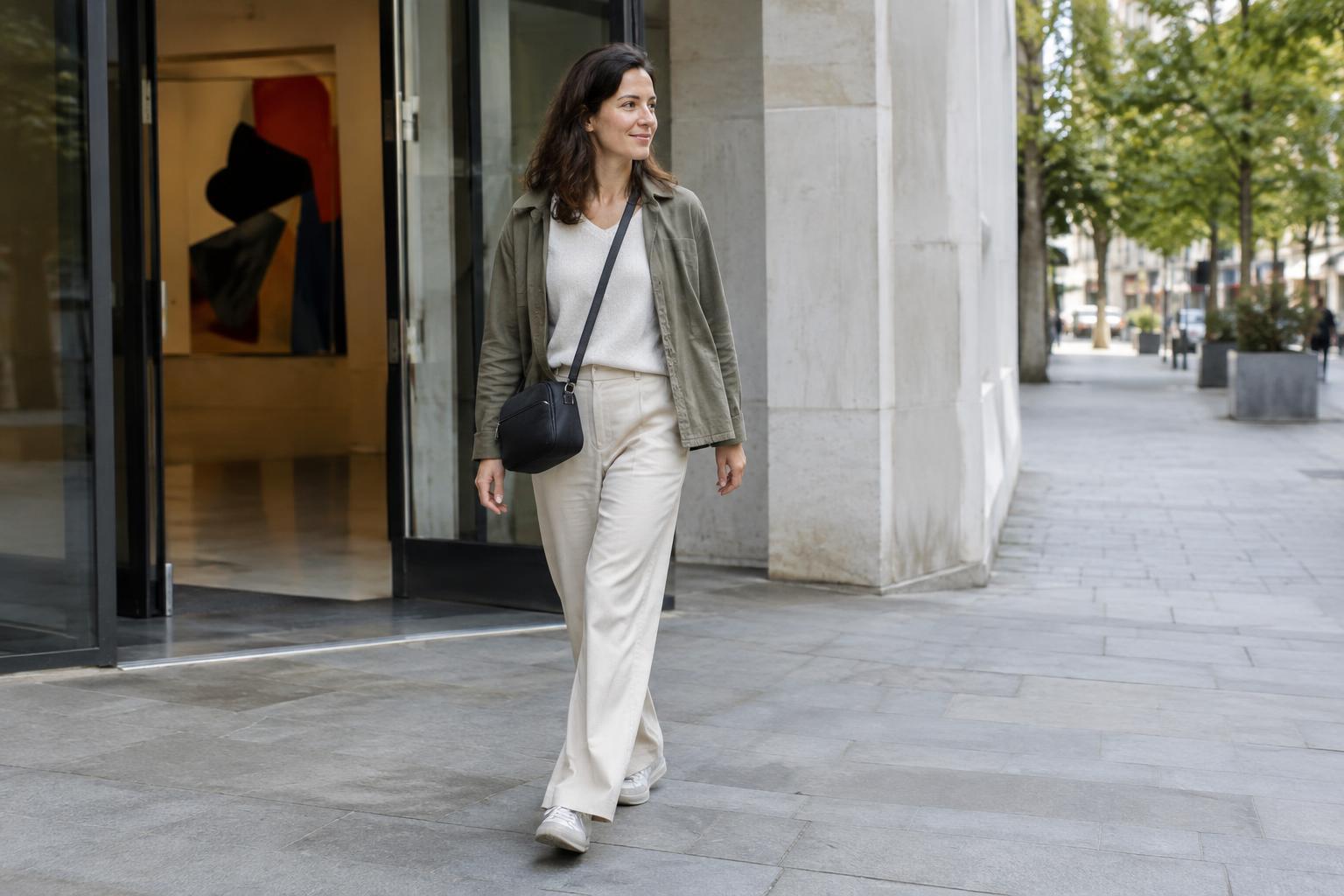
A comfortable base layer gives a weekend outfit an easy starting point. It might be a soft T-shirt, a lightweight long-sleeved top, a fitted tank or a fine-knit top. Choose one that feels good against your skin and lets you move freely. If you expect to wear a jacket indoors and out, consider whether the neckline, sleeves and fabric will still feel comfortable underneath it.
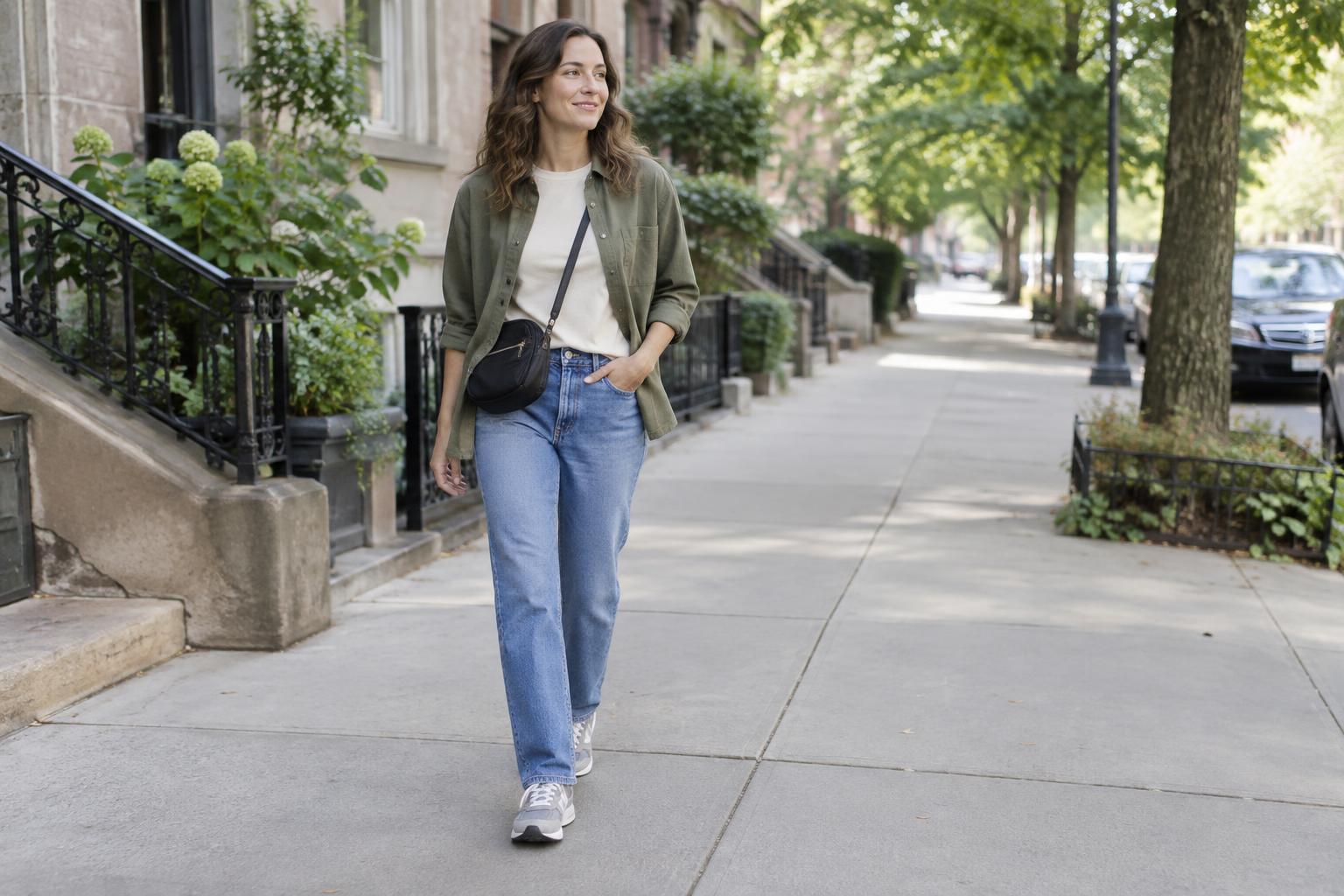
Think about the shape you like before choosing anything else. A relaxed tee may work well with straighter trousers, while a closer-fitting top can sit neatly under an open shirt or cardigan. Neither combination is a rule. The useful test is whether you can sit, walk and reach for things without repeatedly adjusting your clothes. An outfit that looks good in the mirror but demands constant attention is less helpful on a busy Saturday.
Match the rest of the outfit to your actual plans
Once the base layer is settled, choose bottoms for the day you are likely to have, not just the first stop. For errands, a long walk or a casual lunch, that could mean jeans with a comfortable waistband, relaxed trousers or a skirt that is easy to move in. If your plans include sitting for a while, check that the outfit feels as good seated as it does standing.
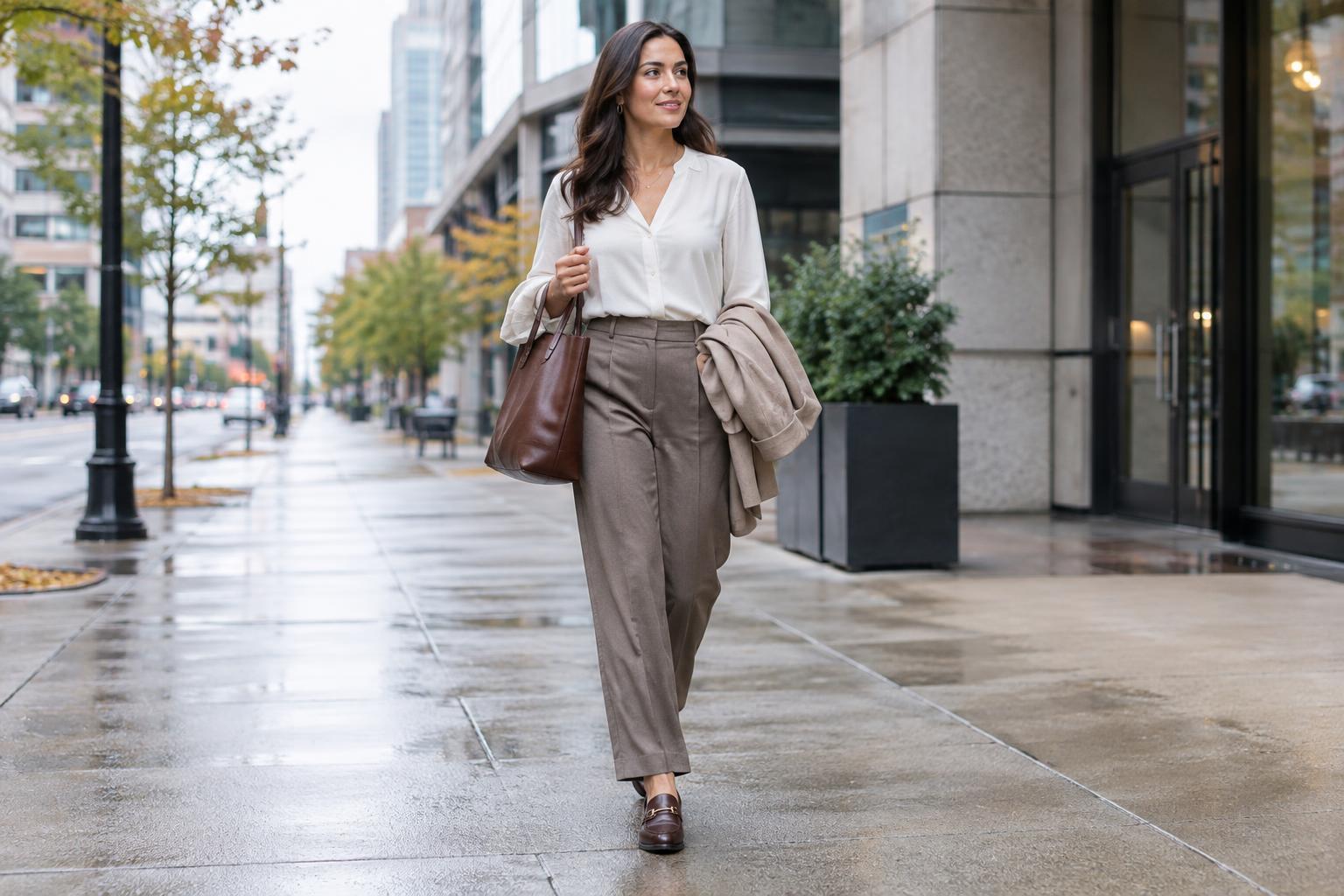
Your base layer can also help you decide how polished to make the outfit. The same plain top can feel laid-back with loose denim or a little more put-together with tailored trousers. This makes it easier to move between casual plans without a full change of clothes. If you are unsure which direction the day will take, pick a bottom that feels comfortable but does not limit you to one kind of setting.
Add a layer you can take off
City weekends often involve changing temperatures as you move between streets, shops, cafés and transport. An open shirt, cardigan, light jacket or coat can make one base layer work across those shifts. Look for an outer layer that fits over your chosen top without pulling at the shoulders or bunching around the arms. If you are likely to carry it later, consider its weight as well as its warmth.
This extra piece can change the mood of the outfit, too. An unbuttoned shirt gives a simple tee a relaxed feel; a structured jacket can make it look sharper. You do not need both. Choose the layer that serves your plans and feels easy to manage. On a warmer day, a top that works on its own may be the most practical choice.
Let your shoes support the day
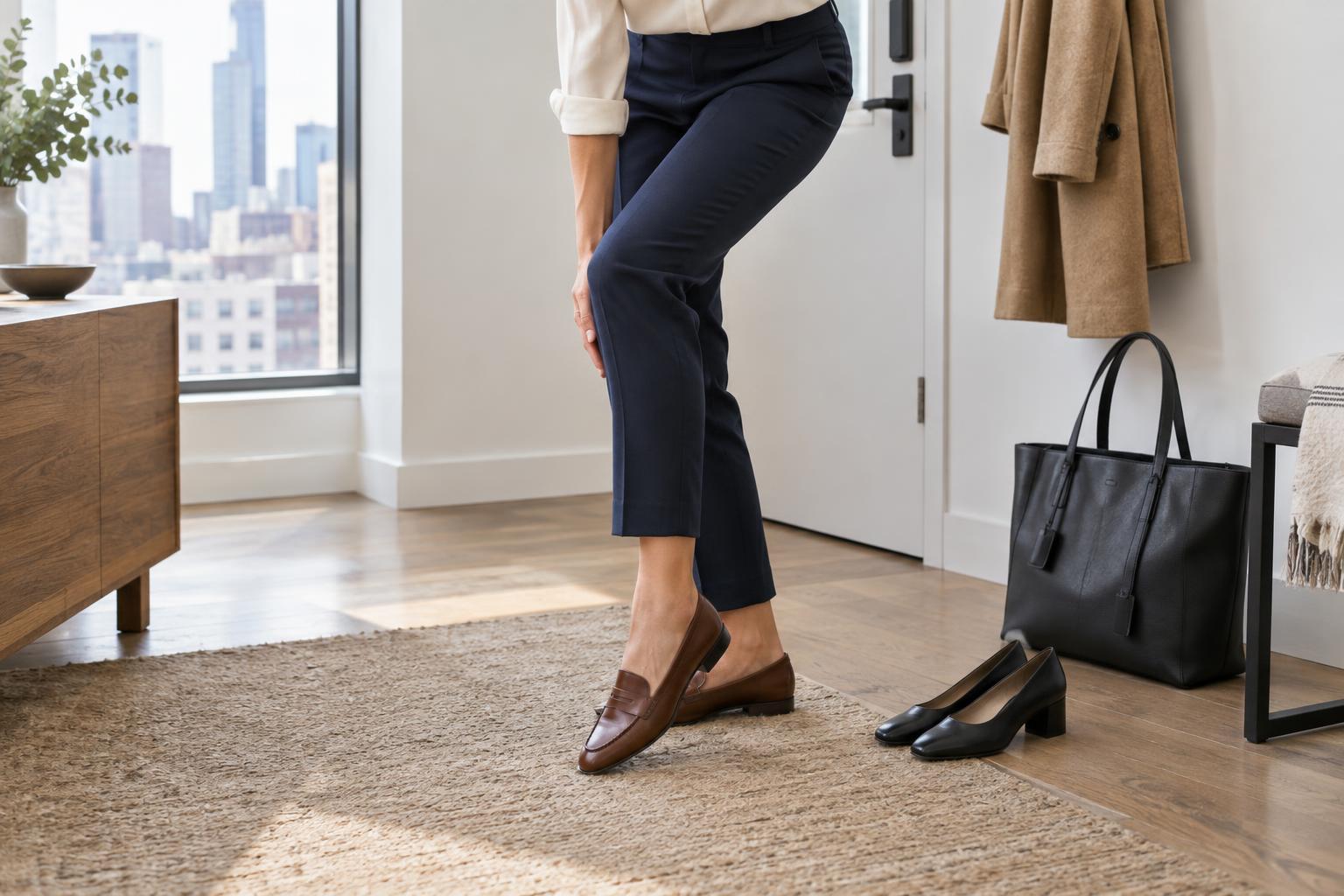
Shoes are worth choosing before the finishing touches. Consider how far you might walk, whether you will be standing, and what the ground or weather may be like. Comfortable trainers, flat boots or supportive sandals can each work with a simple base layer, depending on the season and the rest of the outfit. If a pair needs breaking in, save it for a day with fewer demands on your feet.
It helps to check the whole outfit while wearing the shoes, rather than treating them as an afterthought. A change of footwear can affect where trouser hems fall and how relaxed or polished the combination feels. When the shoes suit both your clothes and your plans, you are less likely to wish you had dressed differently halfway through the day.
Finish with only what you will use
Keep accessories purposeful. A bag should hold the things you expect to need without becoming awkward to carry; hands-free styles can be useful when you are walking or running errands. Sunglasses, a scarf or a small piece of jewellery can add interest, but none is required to make a simple outfit feel complete. Choose what earns its place on this particular day.
Before leaving, do a quick movement check: sit down, raise your arms and walk a few steps. Notice whether the layers stay comfortable together and whether you have somewhere practical for your essentials. Building around one dependable top is not about wearing the same outfit every weekend. It is a way to make decisions in a sensible order, then change the bottoms, outer layer and accessories to suit wherever the day goes.