Decide what kind of visit you want
Browsing a city market can be a pleasant way to spend a morning or afternoon, even if you leave empty-handed. Before you go, decide whether you are looking for something specific, gathering ideas or simply enjoying a walk. That small distinction gives the visit a purpose without turning it into an errand. If you are shopping for a particular item, note its approximate size, colour and intended use on your phone so attractive alternatives do not distract you.
It also helps to set a comfortable spending limit for the outing, including small purchases such as snacks. Think of it as a way to make choices easier, not a target to reach. If you are only browsing, you can leave your shopping list short or make a “not today” list of things you would rather consider later. A market will still offer plenty to look at when buying is optional.
Dress for wandering, not for carrying everything home
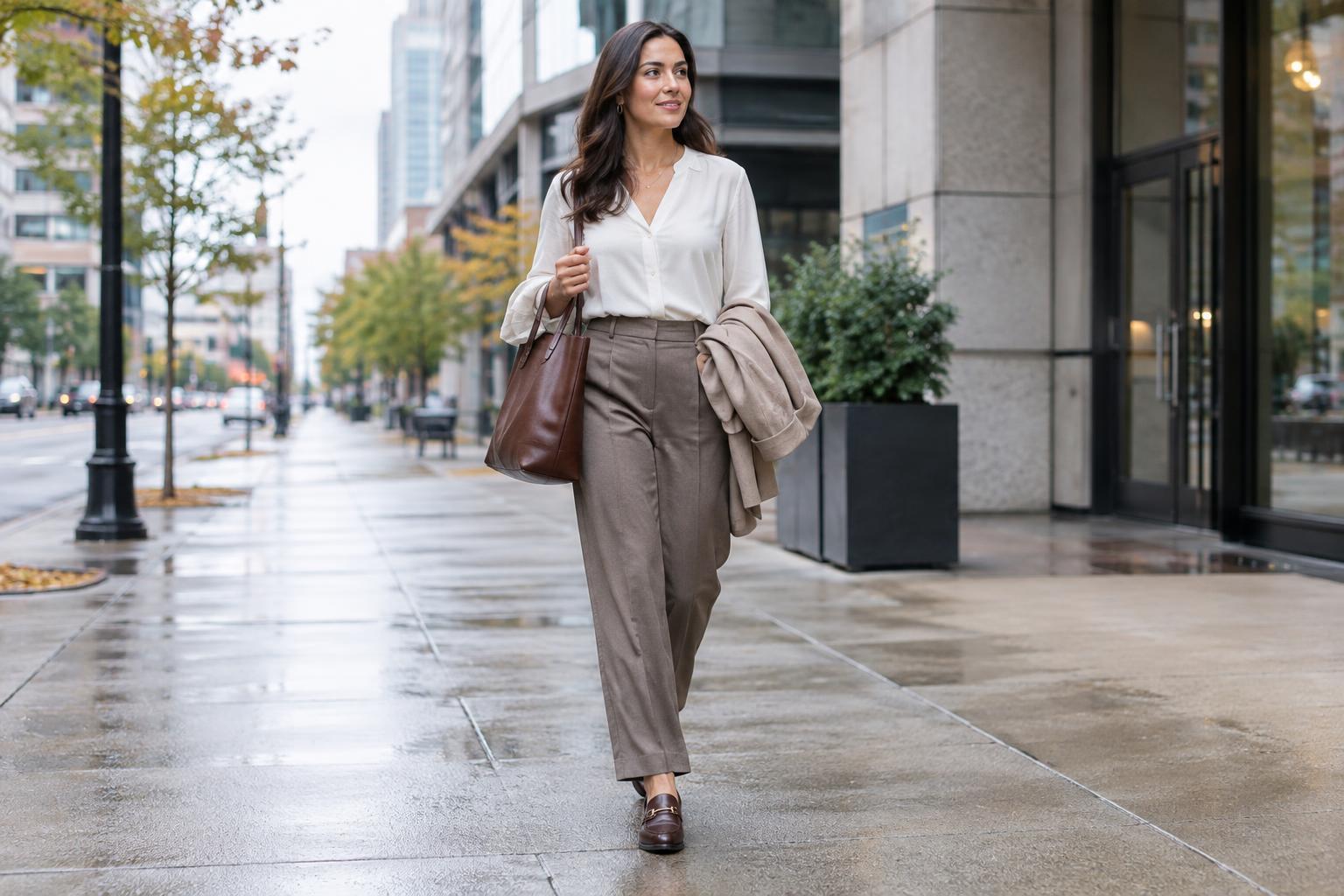
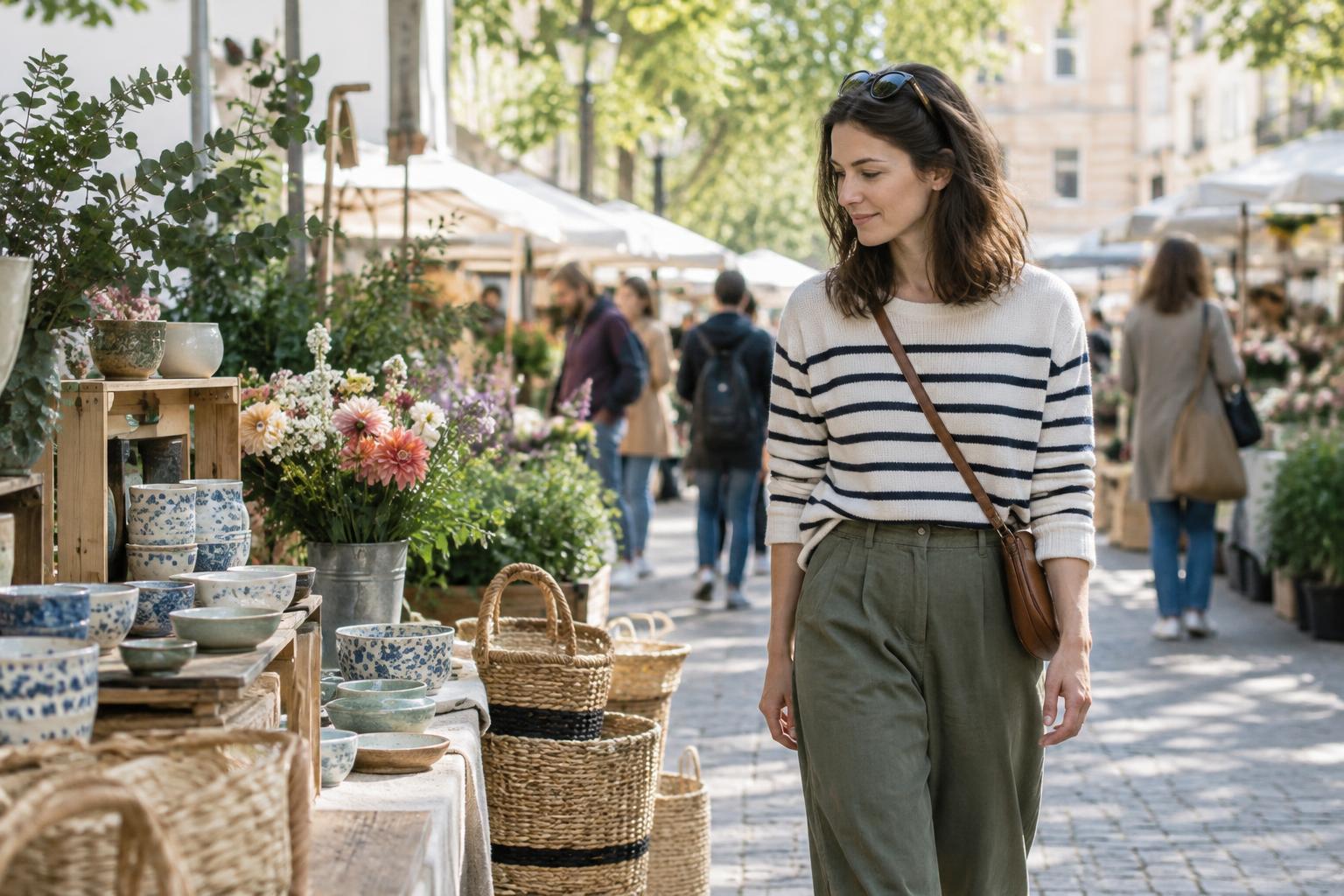
Comfort makes it easier to browse patiently. Choose shoes you can stand and walk in, and dress in layers that are easy to adjust as you move between open-air stalls and covered spaces. A hands-free bag keeps your essentials close while leaving you free to handle items carefully. If you expect to buy produce or another planned purchase, bring a reusable tote that is comfortable to carry. Avoid bringing a large empty bag just because it might encourage you to fill it.
Before leaving, check what you can realistically take home. A delicate print, heavy vase or oversized plant may seem manageable at a stall and feel quite different on a crowded journey back. Knowing how you will carry, store and use an item is part of deciding whether to buy it. If the practical answer is unclear, taking a photo, where permitted, can preserve the idea without adding an awkward parcel to your day.
Take one full look before making a decision
The first appealing stall can set the tone for an entire visit. When possible, walk through a section of the market before buying anything that is not on your list. You may find similar items elsewhere, get a clearer sense of what catches your eye or realise you are enjoying the atmosphere more than the objects. For one-of-a-kind pieces, there is always a chance they will be gone when you return. Accepting that possibility can be easier than buying something solely because you fear missing it.
Pause when a seller presents an item in a particularly appealing way. Imagine it away from the stall: with your existing clothes, on your shelf or in your regular routine. For a secondhand jacket, consider fit, condition and whether you would wear it soon. For homewares, think about where they would live and what they would replace or complement. An item does not have to be perfect, but it should make sense beyond the excitement of finding it.
Use a short checklist for tempting finds
When you feel ready to buy, ask yourself three questions: Did I want something like this before I saw it? Can I use it without needing several other purchases? Would I still choose it if I found it in an ordinary shop? These questions are not meant to remove spontaneity. They simply separate a genuine discovery from a momentary reaction to colour, display or a persuasive sense of scarcity.
Check the details you might overlook in a busy setting. Look at seams, fastenings and care labels on clothing; inspect secondhand objects for damage; and confirm dimensions when size matters. If an item has a fault you can live with, be honest about whether you will actually repair or accommodate it. If you are unsure, step away for a few minutes. A short walk and a drink can give you enough distance to decide whether the item still feels useful.
Make leaving without a purchase feel like a good outcome
A satisfying market visit does not need a bag of finds to show for it. Notice displays you like, learn which styles appeal to you and take mental notes about colours or materials that might work with what you own. You can enjoy a snack, meet a friend or explore nearby streets as part of the outing. Giving the visit more than one purpose takes pressure off any single purchase.
If you do bring something home, put it to use rather than letting it disappear into a cupboard. Wash or care for clothing as needed, find a place for a household item and note what made the purchase worthwhile. Over time, that habit can help you recognise the difference between a market find you genuinely value and one that was fun only for the few minutes it took to buy.