Choose a few anchors, not a minute-by-minute schedule
Start by deciding what would make the day feel worthwhile. That might be an exhibition, lunch with a friend, a browse through a particular shopping area, or an evening performance. Choose one or two anchors and note any fixed start times. Everything else can fit around them. A short list is easier to enjoy than a schedule that depends on every train, queue, and conversation going exactly to plan.
Separate reservations from preferences. If you have a ticket or a table booked, build the day around it. If you would simply like to visit a shop or stop for coffee, treat that as an option rather than an obligation. This distinction makes it easier to change course when you discover something more appealing nearby.
Give travel and pauses their own space
A city itinerary can look spacious on paper while feeling rushed in practice. Getting between places may involve a walk to the station, time spent finding an entrance, or a detour around a busy street. When you sketch out the day, allow more time between anchors than the journey alone appears to require. The extra space can become a relaxed stroll, a browse, or a needed rest rather than a delay you have to recover from.
Think in broad parts of the day instead of exact slots for every activity. For example, keep the morning for your main outing, leave the afternoon open within one area, and set a comfortable time to head home. If you are meeting someone, agree on the fixed plans and leave the flexible parts flexible. You will both know what matters without having to negotiate every stop in advance.
Make spontaneous stops easy to say yes to
Spontaneity works best when it has a little structure. Pick an area near your planned activity where you would be happy to wander, rather than trying to cross the city every time something catches your eye. A small shop, a quiet square, or an inviting café can become part of the day if it is close enough and you have time to enjoy it.
Before changing plans, ask three quick questions: Do we have enough time before the next commitment? Does everyone want to stop? Will this still leave us with the energy for what comes next? If the answer is no, you do not have to squeeze it in. You can make a note of the idea for another day or simply enjoy having noticed it. A spontaneous stop should add pleasure, not turn the rest of the outing into a race.
Dress and pack for more than one possibility
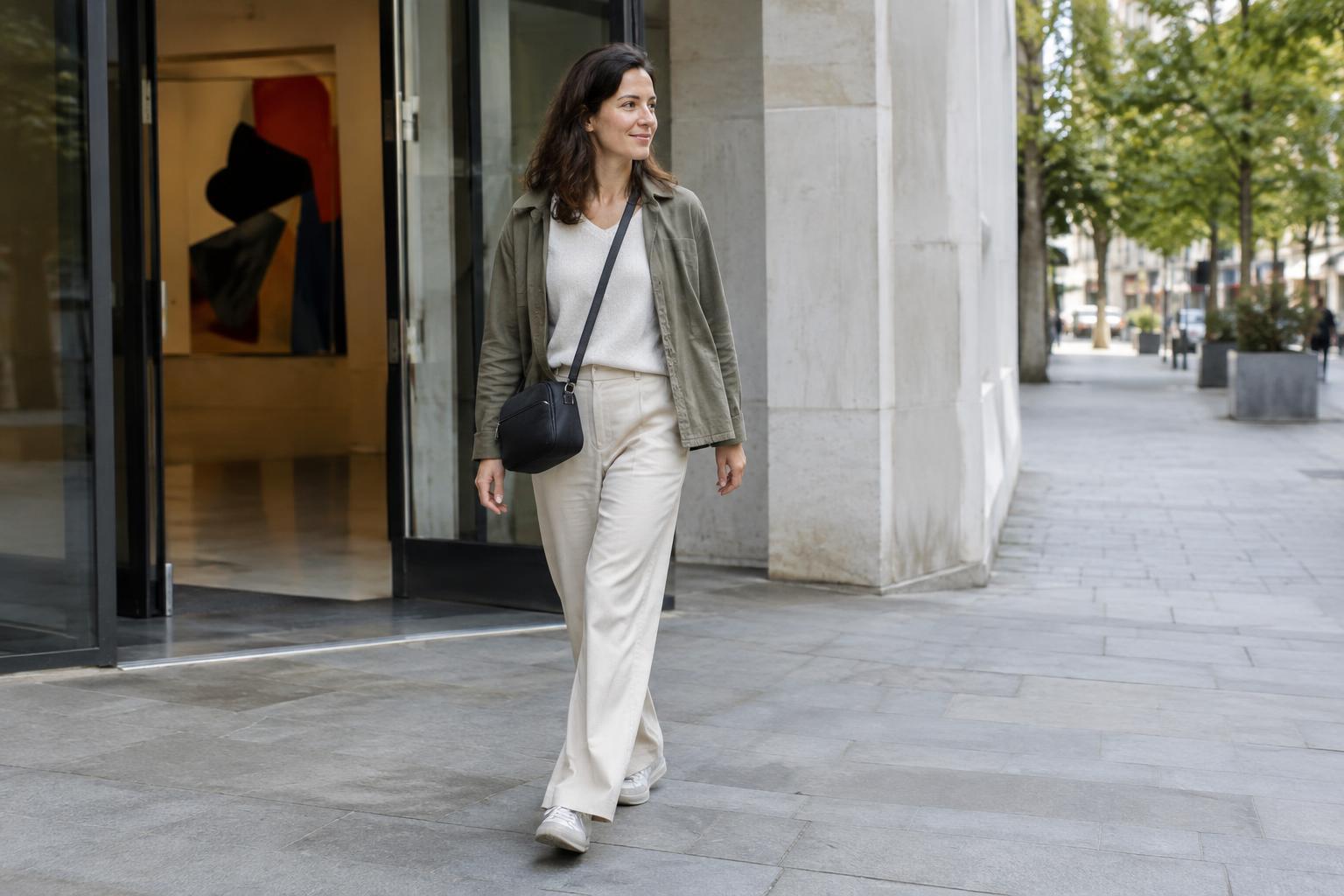
An adaptable outfit supports an adaptable day. Comfortable shoes matter if a short walk might turn into a long one. Layers can help when you move between outdoor streets and indoor spaces, while a bag that leaves your hands free makes browsing and transit simpler. Choose pieces you can sit, walk, and linger in comfortably, rather than dressing only for the most polished stop on your itinerary.
Keep your bag useful but manageable. Bring the essentials you expect to need, such as your phone, keys, payment method, and any tickets or confirmations, then consider a compact layer or weather item if conditions call for it. Carrying too much can make an unplanned detour feel like work. The aim is not to prepare for every possibility; it is to avoid small inconveniences that cut a pleasant outing short.
Know when to change course or call it a day
A flexible plan also gives you permission to skip something. If the weather turns, a place is busier than you would like, or your energy drops, keep a low-effort alternative in mind. That could mean sitting down for a drink, choosing a shorter route, or heading straight to your next booked activity. You do not need to replace every missed stop with another task.
Leave a little room at the end of the day, too. Heading home while you still feel comfortable may be more satisfying than pushing through one more stop because it was on the list. A good city day is not measured by how much you fit in. It has enough direction to get you out the door and enough freedom to enjoy what you find along the way.