Start with your actual routine
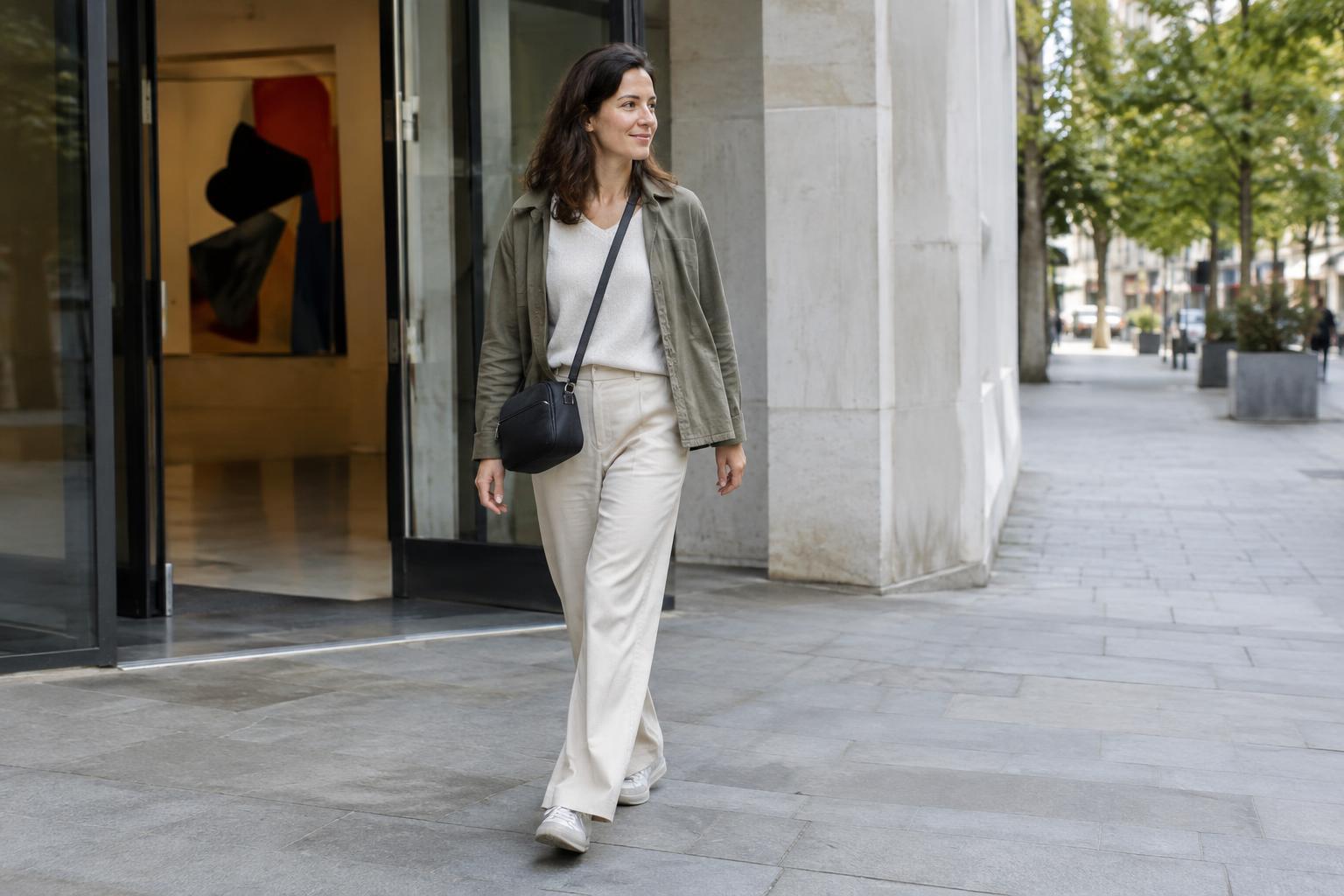
A wardrobe can look tidy and still make getting dressed difficult. If a dress worn twice a year occupies the easiest hanger while the trousers you wear every week are buried in a drawer, the space is organised around what you own rather than what you do. The first step is to notice which clothes serve your ordinary days: work outfits, casual layers, shoes for walking and whatever you reach for between plans.
For a week or two, pay attention to what you take out, put back and wear. There is no need to count every item. Look instead for recurring combinations and small frustrations. Do you keep searching for a particular top? Do you avoid a shelf because it is hard to reach? Note the pieces that repeatedly earn their place, including comfortable basics that may not be the most exciting things in your wardrobe. Those are the clothes your arrangement should support.
Give everyday clothes the easiest spots
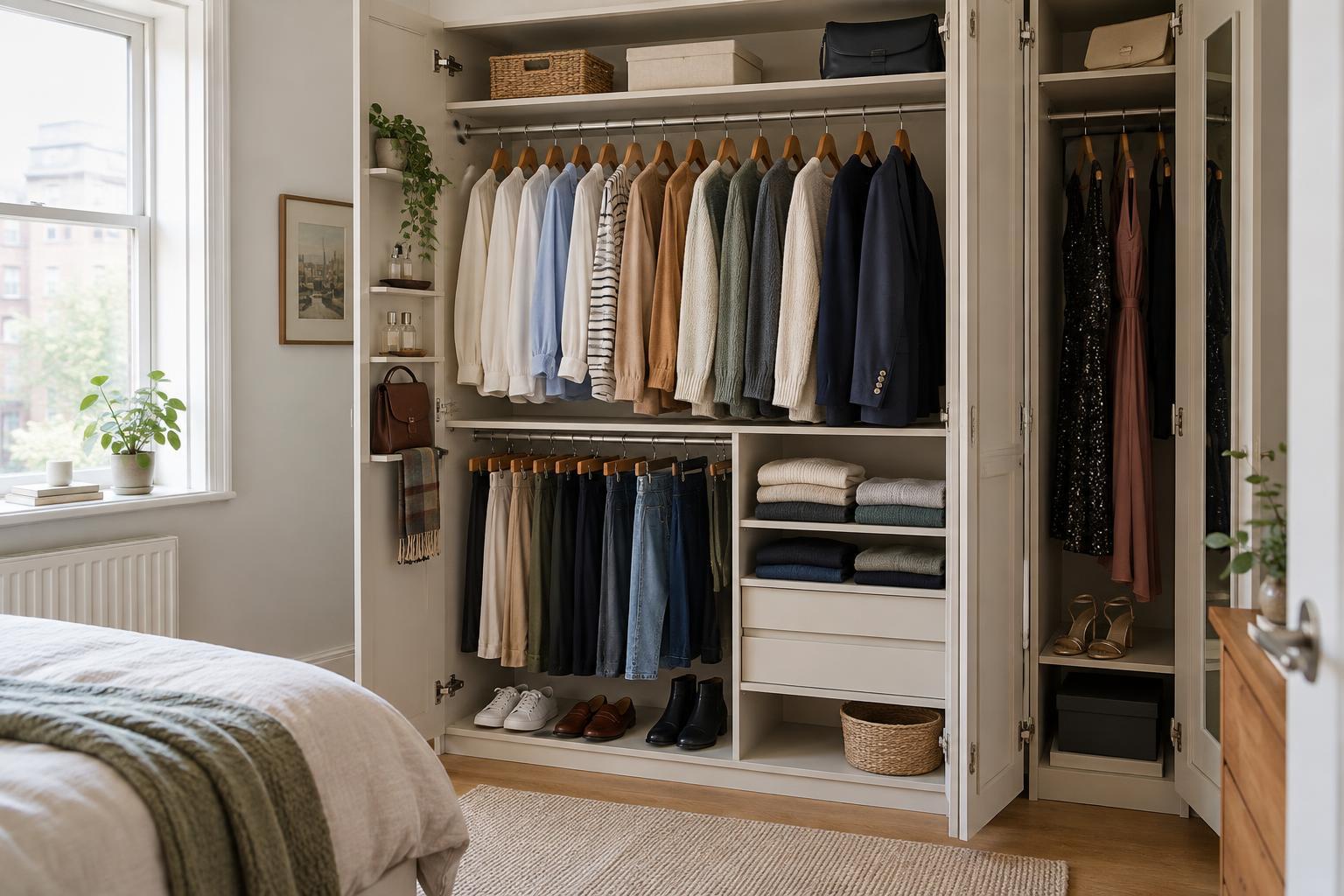
Think of the area between shoulder and waist height as your prime space. Use it for the clothes you wear most often, whether that means office-ready shirts, jeans, knitwear or a reliable jacket. Within that area, keep related items together so you can see your options at a glance. A simple grouping by clothing type usually makes more sense than an elaborate system you will not maintain.
Choose storage to suit the garment. Hang pieces that crease easily or are easier to compare on hangers, and fold items that can stretch when hung. If a drawer is deep, place folded clothes upright where practical so the items at the back do not disappear. Leave a little breathing room: tightly packed rails and drawers make it harder to put clean clothes away, which can quickly undo an otherwise useful system.
Keep complete outfits in mind
Frequency is not only about individual garments. You may wear one pair of trousers often because it works with several tops, yet still lose time each morning looking for those tops. Once your most-worn pieces have a home, check whether their usual partners are nearby. A small section for regular workday options or an easy-to-reach drawer for weekend layers can help you build an outfit without searching across the whole wardrobe.
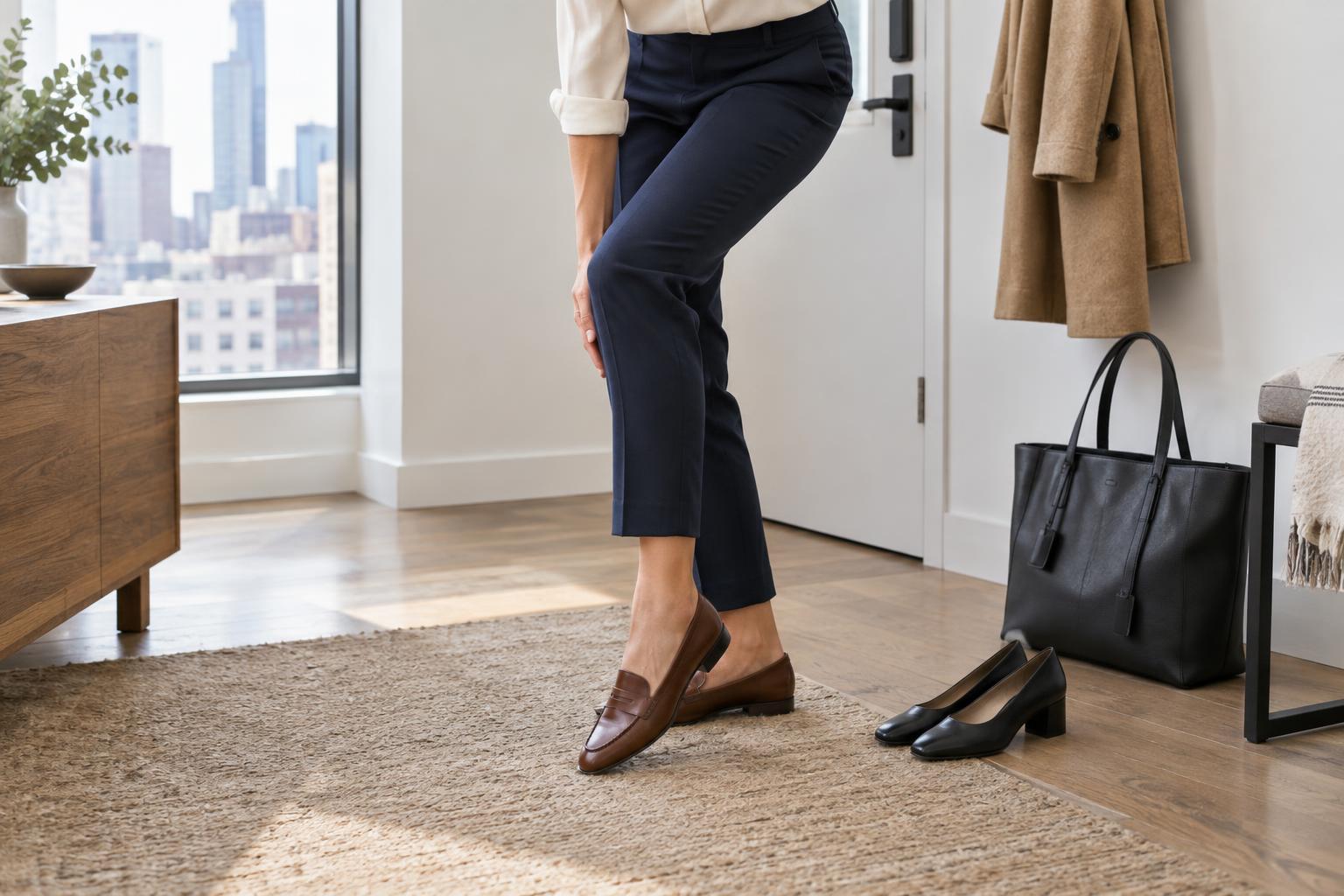
Accessories deserve the same attention. If you carry the same bag to work, wear the same belt or reach for a scarf on cooler mornings, give each one a visible, consistent place. Keep shoes you use for everyday walking accessible, rather than behind special-occasion pairs. The aim is not to prescribe a uniform; it is to reduce the number of obstacles between finding your clothes and leaving the house.
Move occasional pieces out of the way, not out of sight
Less frequently worn clothes still need a place. Formal outfits, holiday pieces and items for a different season can go on higher shelves, at the far end of a rail or in clearly labelled containers. Store them clean and dry, following any care instructions on the garments. If you share storage space or have limited room, a single designated area for occasional clothes makes their footprint easier to manage.
Keep categories broad enough to remember. A box labelled “summer extras” is more helpful than a complicated set of labels you have to decode. Before moving an item to less accessible storage, ask whether it is genuinely useful to you. Something that does not fit your life now need not occupy valuable everyday space simply because it was once a favourite. You can decide whether to keep, repair, pass on or reconsider it later without making that decision in the middle of a rushed morning.
Make the system easy to reset
A wardrobe arranged around real use will change as your routine changes. A new commute, a different dress code or a shift in the weather may bring other pieces into regular rotation. When you notice yourself repeatedly reaching past one group of clothes to get to another, swap their positions. This small adjustment is often more useful than starting a full reorganisation.
Build in a quick reset when you put laundry away. Return items to their usual spots, check that everyday choices remain visible and move anything that has drifted into prime space without earning it. You do not need matching hangers or a perfectly colour-coded rail. A successful wardrobe is one you can use on a busy morning and put back together without much effort.