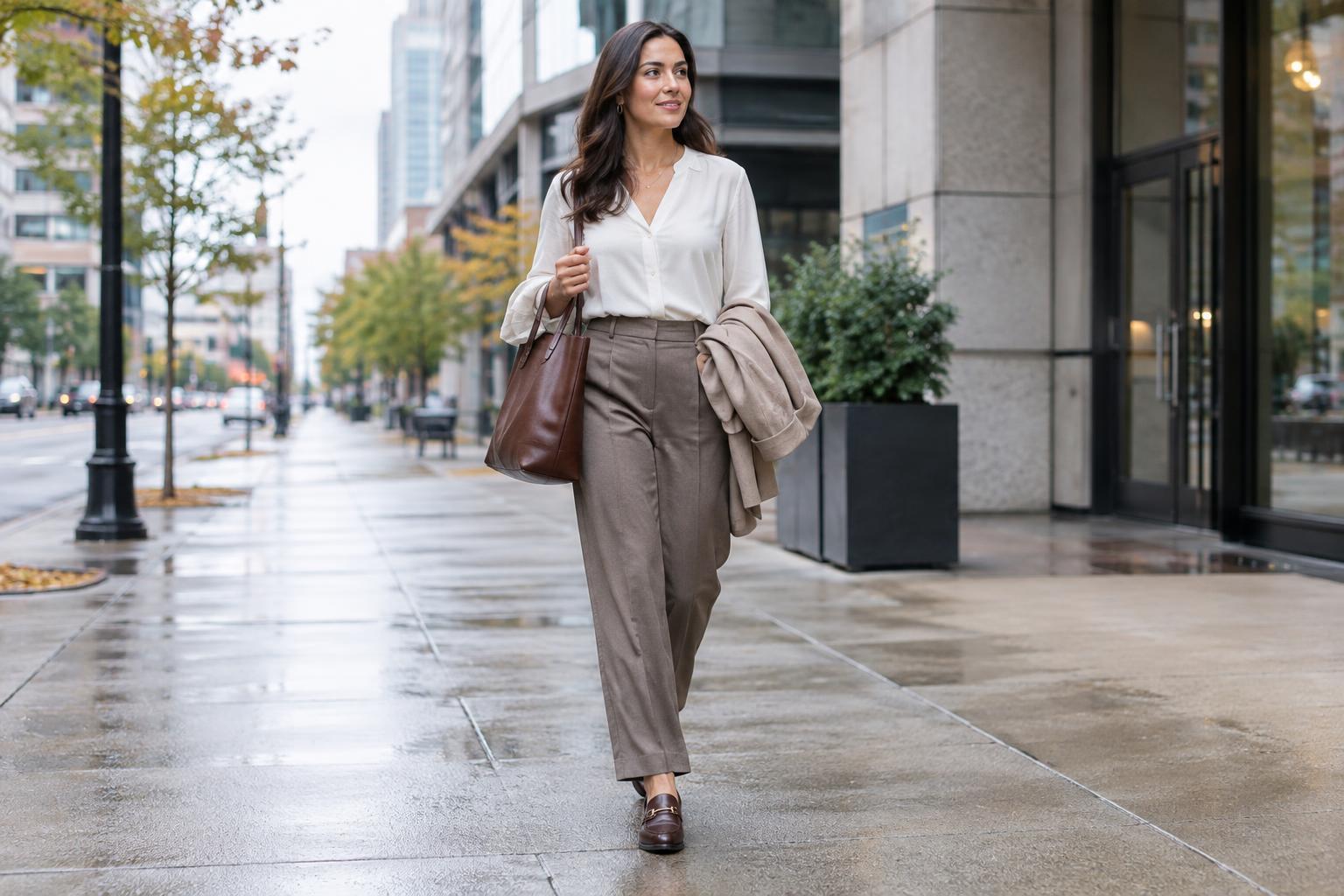
Trying to fit too much into one route
A packed list of shops, museums, cafés and neighborhoods can look exciting before you leave home. On the day, crossing the city repeatedly may take more energy than any single activity. Even short trips involve finding stops, waiting, navigating crowds and deciding where to go next. A better starting point is to choose one main area and one priority activity, then treat everything else as optional.
Before setting off, look at where your stops sit in relation to one another. Group nearby places rather than planning around the order in which they came to mind. If you are meeting someone, agree on a clear first location and a loose end point. That small amount of structure reduces backtracking without turning a relaxed outing into an appointment schedule.
Dressing for the first stop instead of the whole day
An outfit may feel perfect for lunch but less appealing after several hours of walking, standing or moving between warm interiors and cooler streets. The mistake is not choosing a polished look; it is overlooking how that look behaves over time. Shoes that rub, a bag that slips off your shoulder or a layer you cannot comfortably carry can become distractions long before you are ready to head home.
Build the outfit around the most physically demanding part of the day. If you expect to walk, choose shoes you have already worn comfortably for a similar distance. Add layers that are easy to remove and carry, and check that you can sit, reach and move without repeatedly adjusting your clothes. A simple outfit with one expressive detail, such as a scarf or earrings, can still feel considered without requiring constant attention.
Carrying too much, then forgetting the useful things
A large bag can invite unnecessary extras: a second outfit option, items you might use or purchases you meant to take home another day. Weight adds up, especially when you carry it on one shoulder. At the same time, leaving behind a small essential can force an inconvenient detour. The aim is not to pack as little as possible, but to make what you carry earn its place.
Check your bag against the actual plan. Bring the essentials you need to travel, pay and stay comfortable, along with any item the day specifically requires. Keep frequently used things easy to reach instead of buried at the bottom. If shopping is part of the outing, leave some space for purchases or consider whether you want to carry them through every later stop.
Treating breaks as wasted time
It is easy to keep moving because everyone seems happy to continue, or because sitting down feels like it will slow the day. But waiting until you are thoroughly tired can make the next decision feel harder than it needs to. A break does not have to mean a long café visit. A few minutes on a bench, a quiet stop indoors or a pause to check the route may be enough to reset the pace.
Plan a natural pause between activities rather than saving all rest for the journey home. It also helps to notice ordinary needs before they become urgent: water, food, a restroom or simply a moment away from noise. If you are with others, suggesting a break early gives everyone an easy chance to say they would appreciate one too.
Leaving no room to change the plan
A day out often becomes more tiring when every stop feels compulsory. A long queue, unexpected rain or a slower-than-expected journey can put the schedule behind, even when nobody has done anything wrong. Trying to catch up by rushing usually makes the outing feel more like a task list than leisure.
Decide in advance which part of the day matters most. If that goes well, you can shorten or skip a later stop without feeling that the whole plan has failed. Keep one low-effort alternative in mind, such as browsing nearby rather than traveling across town. The most comfortable city days often have a clear intention and enough flexibility to follow your energy once you are there.