Start with a visit that fits your day
A museum visit does not have to fill an entire afternoon. If you are new to museums and galleries, choose one place that interests you and give yourself permission to explore only part of it. A single exhibition, one floor or even a few works can make for a satisfying outing. Think of the visit as a chance to notice something new, not a test of how much you can see.
Before you go, check the venue’s own information for opening hours, admission, bag rules and accessibility details. Some places ask visitors to book a time slot; others allow you to walk in. If you prefer a quieter experience, look for information about less busy times, but keep your plans flexible. Even a short visit can feel worthwhile when it fits comfortably around the rest of your day.
Dress for walking, standing and changing temperatures
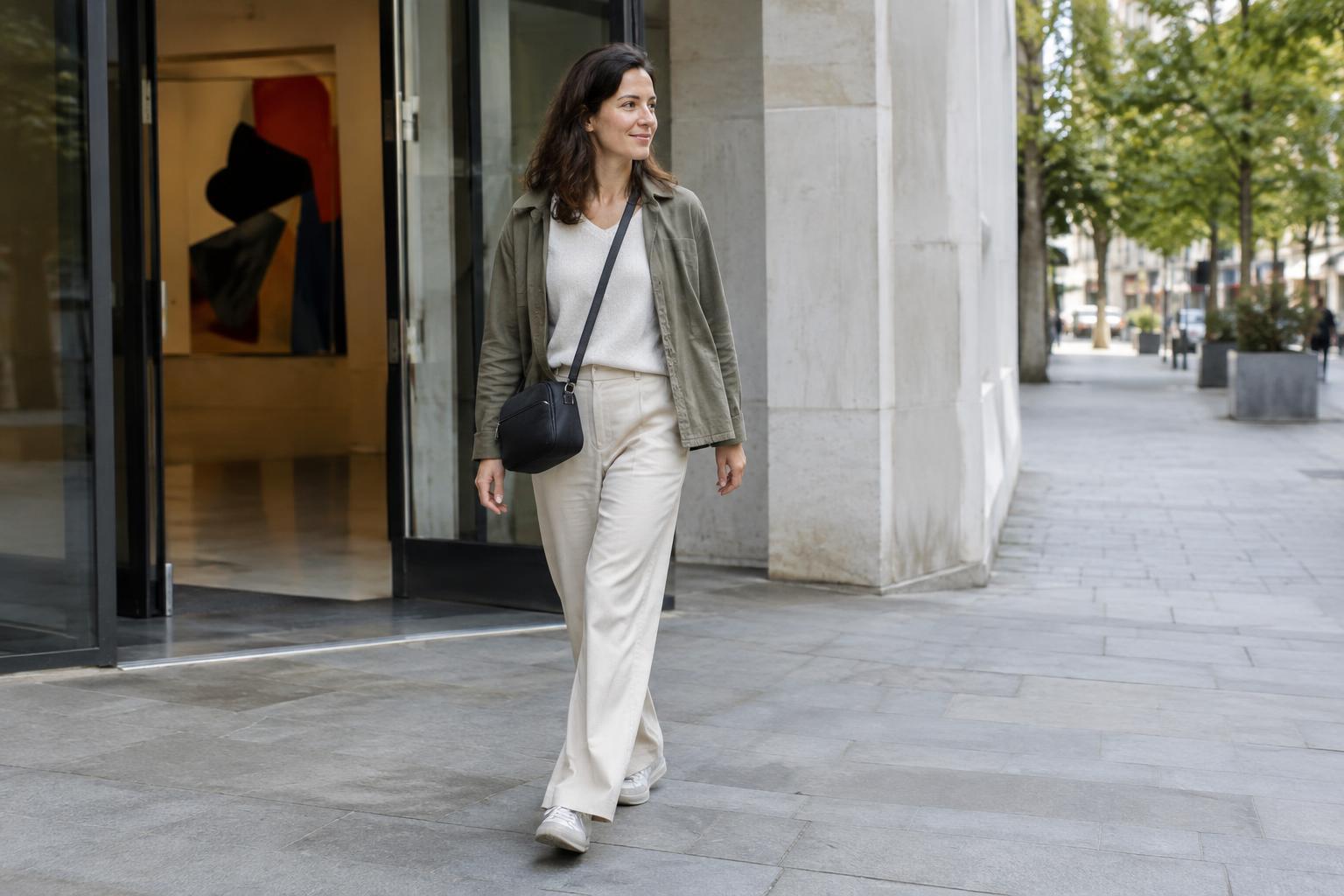
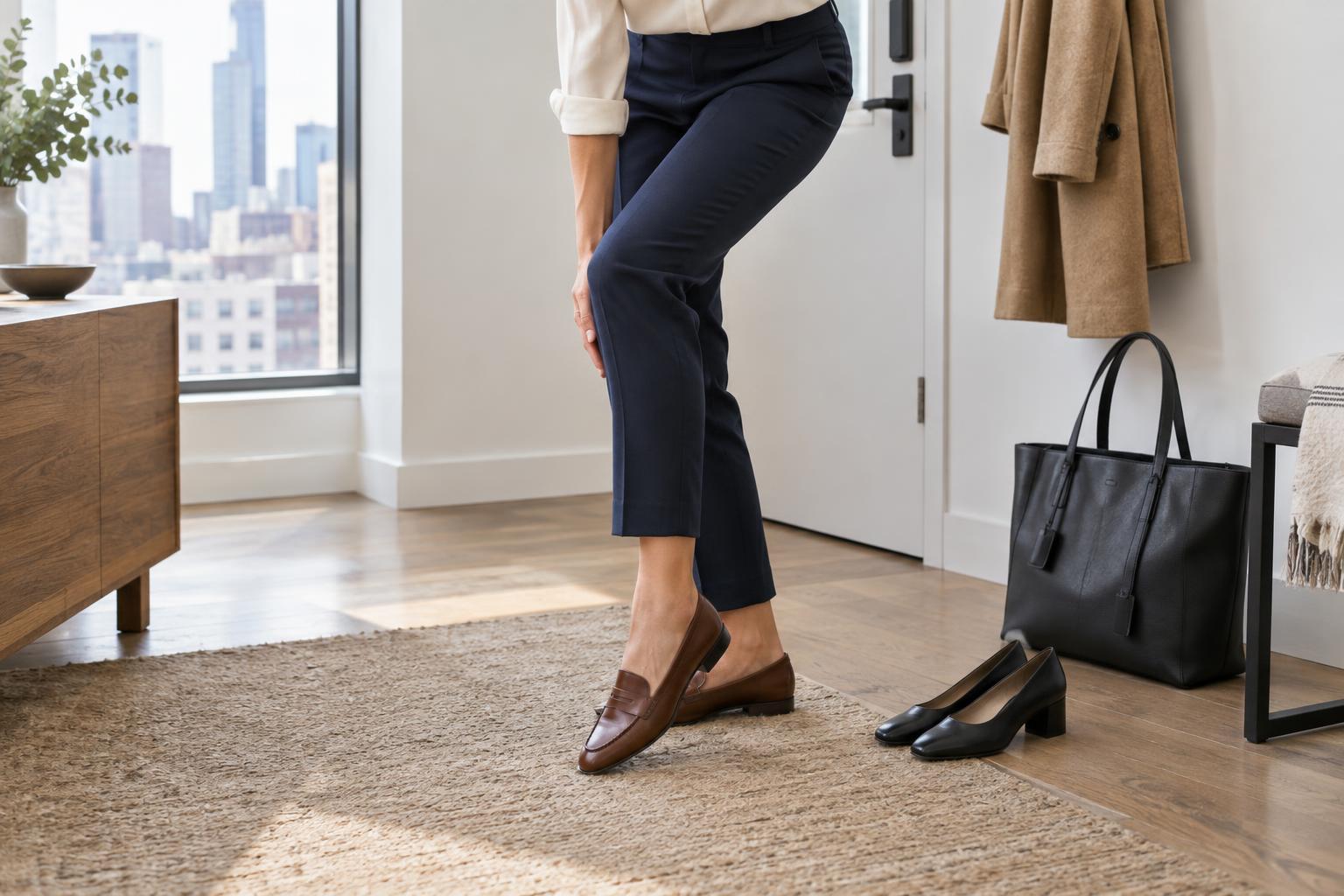
The most useful museum outfit is one you can forget about once you arrive. Comfortable shoes matter if you expect to walk between rooms or travel across the city. Layers help when a gallery feels cooler or warmer than the street. A lightweight jacket, cardigan or scarf can be easier to adjust than an outfit that only works at one temperature.
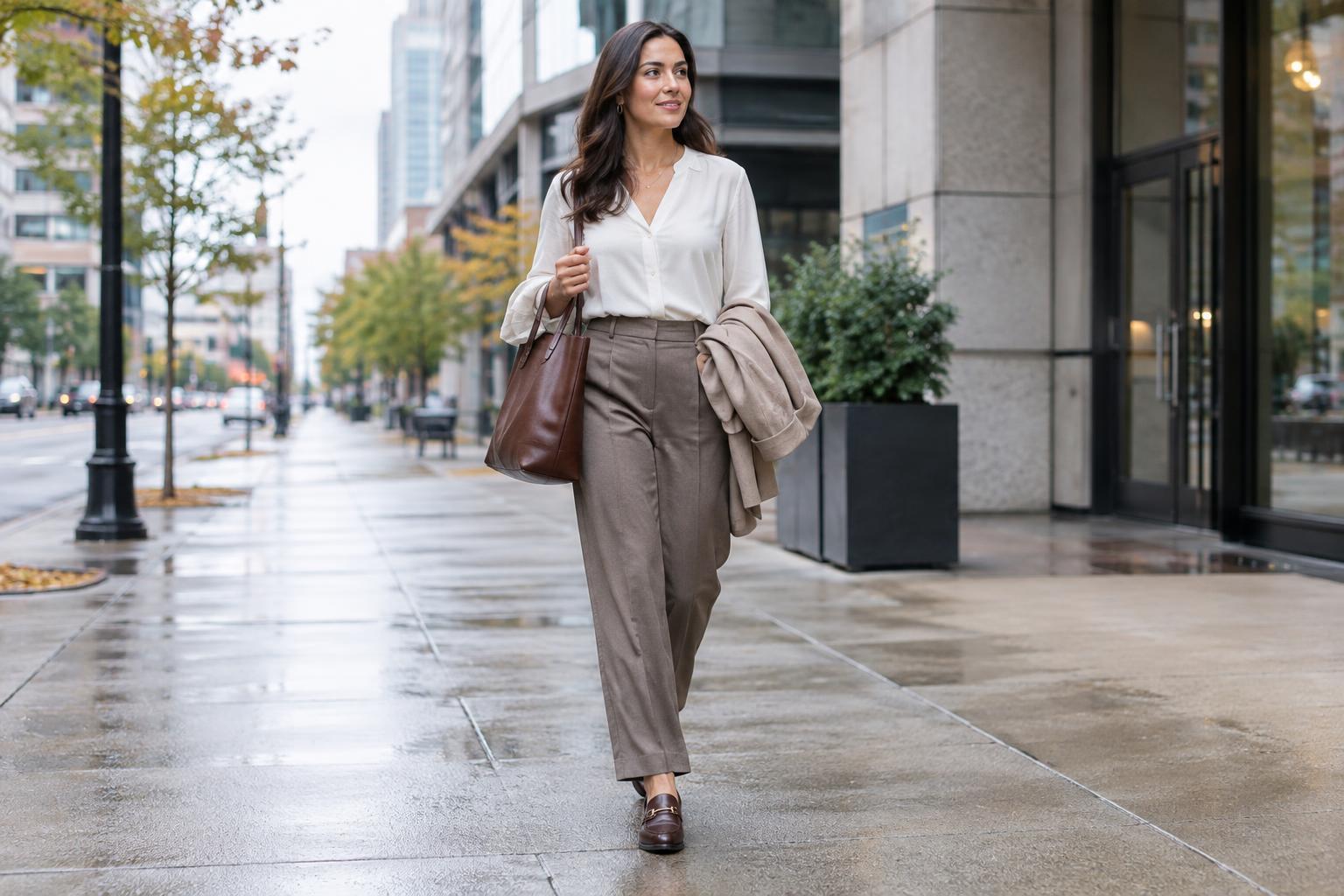
Carry what you need without overpacking. A small bag can hold your essentials while leaving your hands free for a map or guide. Check whether the venue permits larger bags in exhibition spaces and whether it has a cloakroom or lockers. If you are combining the visit with lunch, errands or an evening plan, versatile clothes can make the whole day simpler without requiring a separate museum look.
Let curiosity guide you through the rooms
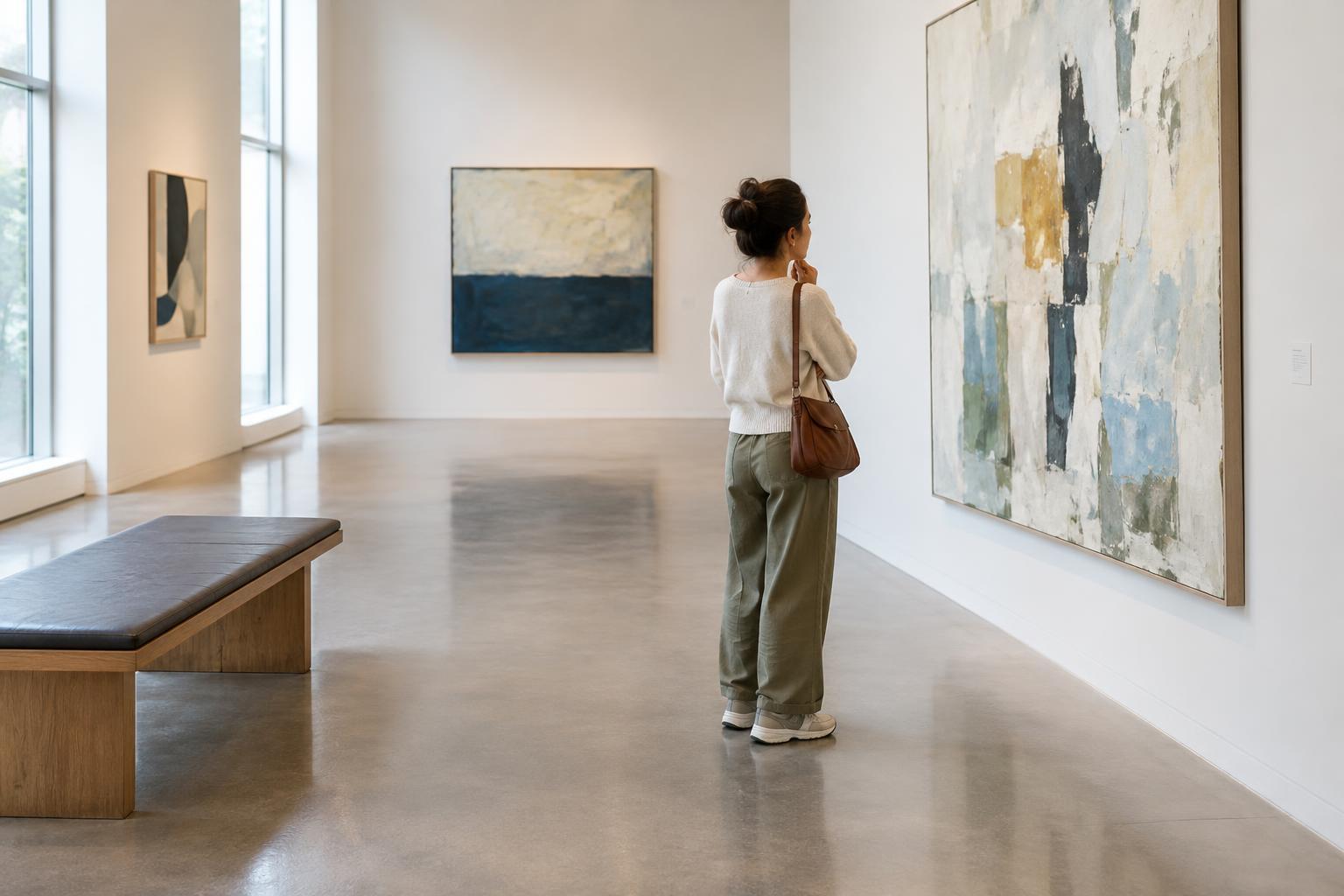
You do not need specialist vocabulary to respond to what you see. Start by looking before reading a label: notice a colour, shape, material or detail that draws your eye. Then read as much or as little of the accompanying text as you like. It can add context, but you are allowed to move on if a work does not hold your attention.
Try choosing a few pieces to spend more time with rather than giving every object the same quick glance. Ask yourself what you notice first, what changes when you look longer and whether the work reminds you of anything. There is no requirement to arrive at a clever interpretation. If you enjoy having some structure, pick a loose theme—such as portraits, city scenes or unexpected materials—and follow it across the rooms.
Make space for breaks and your own company
Standing, reading and taking in unfamiliar sights can become tiring. When your attention starts to drift, find a seat if one is available, step into a quieter area or pause for water where permitted. Taking a break is not falling behind; it is part of finding a pace that lets you enjoy the visit. You can also leave earlier than planned and come back another day if that works for you.
Visiting alone gives you freedom to linger or skip ahead without negotiating anyone else’s interests. With a friend, it can help to agree that you may split up for a while and meet at a set point. Either way, keep basic shared-space courtesy in mind: give others room to view works, keep conversations at a considerate volume and follow the venue’s rules on photography and touching objects.
End the visit while it still feels enjoyable
There is no prize for reaching the final room. When you feel ready to leave, take a moment to think about one thing that stayed with you: a work you liked, a question you have or a detail you would tell someone about. You do not need to remember every title or understand every exhibition to have had a meaningful visit.
If you want to make museums and galleries a regular part of city life, keep the habit easy. Pair a short visit with a walk, return to a collection you enjoyed or try a different kind of space next time. Over time, you may learn which settings and subjects appeal to you. The best pace is the one that leaves you curious enough to visit again.