Start with the kind of day you want
Before choosing places to visit, decide what would make the day feel enjoyable. You might want a quiet morning with coffee and a book, a walk through a new neighbourhood, time to browse shops, or a catch-up with a friend. Picking one main purpose makes planning easier: it gives the day a shape without turning it into a schedule you have to keep.
Choose one activity as your anchor, then add no more than one or two optional stops nearby. For example, a gallery visit could pair with lunch and a short walk. If you are meeting someone, agree on the first stop and leave the rest open. This approach gives you something to look forward to while preserving time to linger, change direction or head home early.
Keep the route simple
A relaxed day usually benefits from staying within one area rather than crossing the city repeatedly. Look at where your chosen stops sit in relation to each other and think about how you would travel between them. A route that moves gradually in one direction may feel easier than one that doubles back. Check opening hours and travel options before leaving, especially if one stop matters more than the others.
Build in more time than you think you need between activities. Walking, finding an entrance and deciding where to eat can all take longer than expected. If a destination requires a reservation or timed entry, let that be the fixed point and keep the rest flexible. It also helps to identify a convenient place to finish, such as a transit stop you know how to reach.
Dress for comfort and changing plans
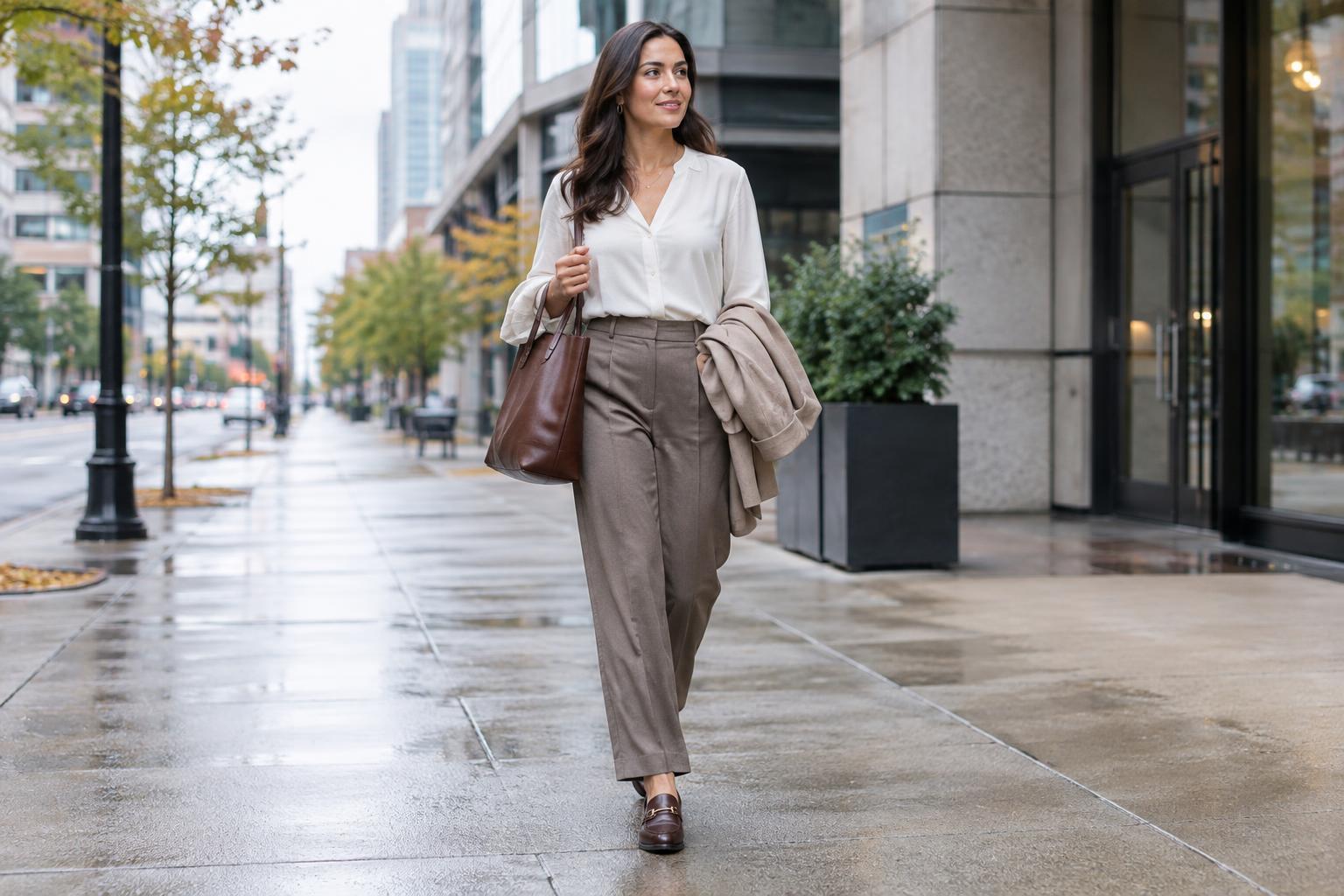
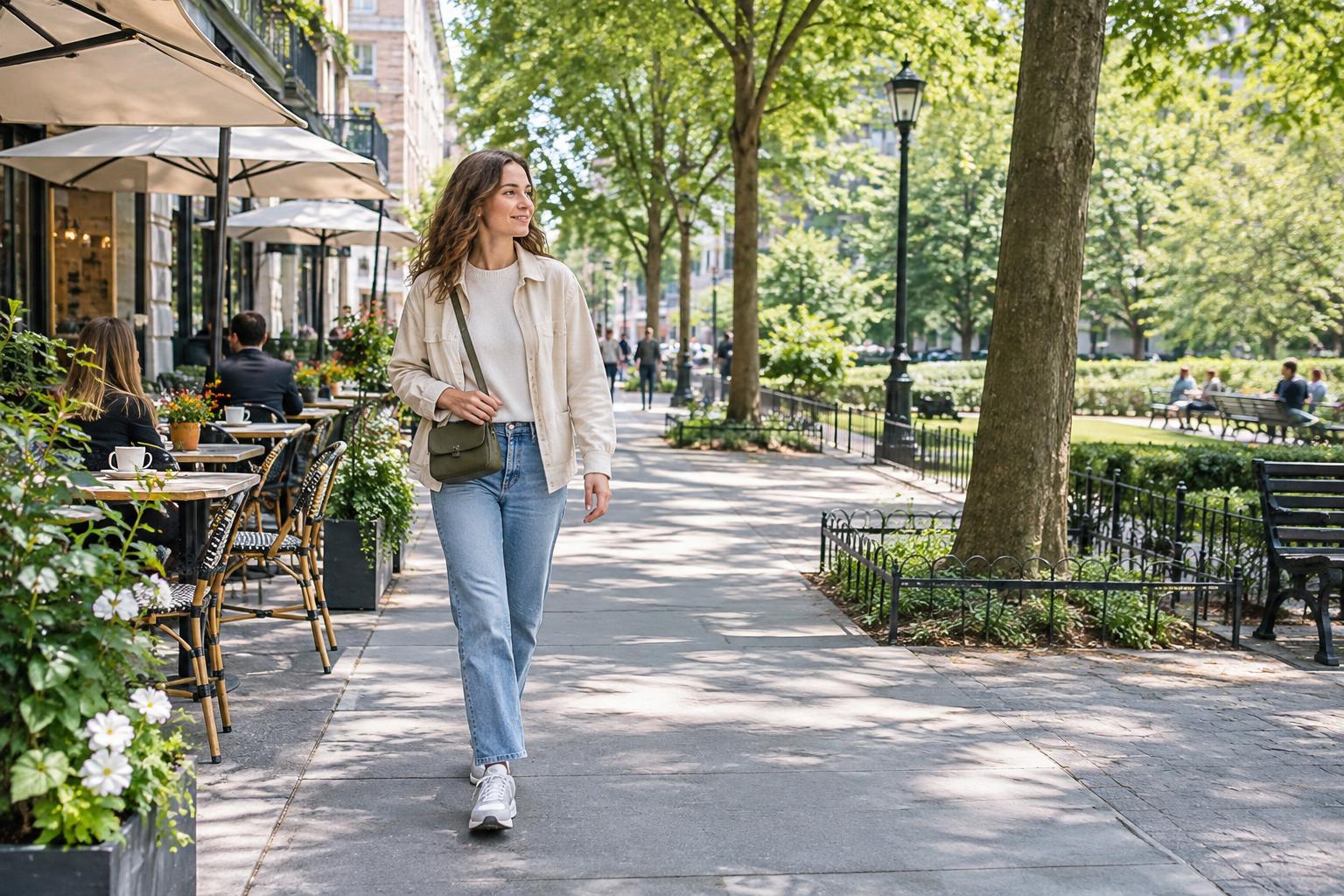
City days often involve a mix of sitting, walking and stepping indoors and outdoors. Begin with shoes you can comfortably wear for the amount of walking you expect, rather than building an outfit around a pair you hope will be fine. Then choose clothes that let you move easily. Relaxed trousers and a simple top, a comfortable dress with a layer, or jeans with a soft shirt can all work, depending on your preferences.
Layers make it easier to adjust if a café feels warm or the walk home feels cool. A lightweight jacket, cardigan or overshirt can be useful without making the outfit feel complicated. You do not need a completely different look for every stop: a neat, versatile outfit can carry you from a casual lunch to a museum or an unplanned evening drink. The aim is to feel at ease, not to anticipate every possible setting.
Pack for the day you actually planned
A practical bag should hold your essentials without becoming something you resent carrying. Alongside your usual phone, keys and payment method, consider water, any personal necessities and a compact layer if you are not wearing one. A small umbrella may be worth taking when the weather looks uncertain. Leave room for anything you might pick up, but avoid packing for unlikely possibilities.
Think about how you prefer to carry your bag while walking or browsing. A crossbody style leaves your hands free, while a lightweight tote may suit a short outing with few stops. Either can work if it sits comfortably and keeps frequently used items easy to reach. Taking a moment to check your bag before you leave is simpler than searching for essentials in the middle of the day.
Make space for pauses and pleasant surprises
A good day out does not have to fill every hour. Notice when you would usually want a meal, a drink or a chance to sit down, and leave space for it. A pause in a park, a café or another comfortable spot can make the next part of the day feel like a choice rather than an obligation. If you are with a friend, check in with each other before adding another stop.
Treat your plan as a guide, not a test of how much you can fit in. If you discover a street you want to explore, have time to take it. If the weather changes or your energy dips, skip an optional activity without trying to make it up elsewhere. Starting with a clear anchor, an easy route and a comfortable outfit gives you enough structure to go out—and enough freedom to enjoy being there.